
 EN
EN

-

Conducting tests with chlorine standard gas
2025/09/15Chlorine (Cl₂) is a strong oxidant and has corrosiveness. When using Cl₂ to test some gas sensors, corrosion-resistant materials should be used in the testing system. Polytetrafluoroethylene (PTFE) or electroplated and polished stainless st...
Read More -
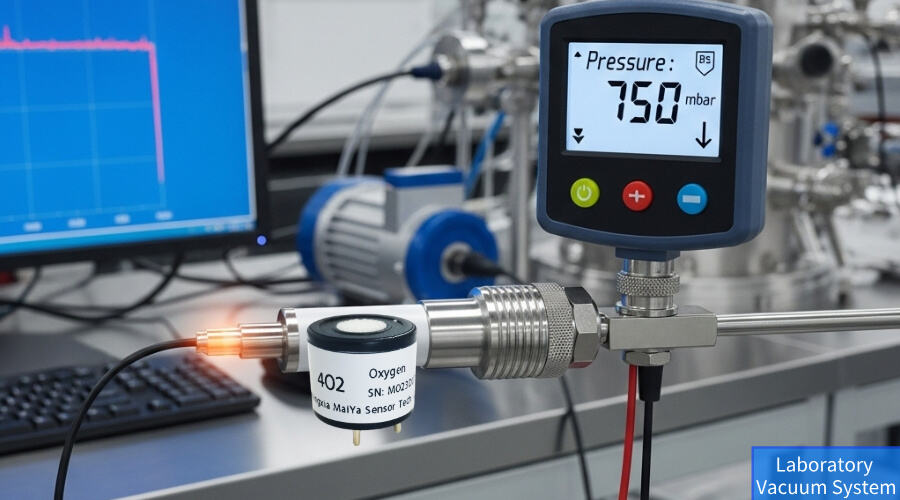
oxygen sensors show significant responses to atmospheric pressure changes
2025/09/15Pressure variation is a critical environmental factor that directly impacts the accuracy of detection results and the reliability of gas detectors,which is often overlooked. Significant pressure fluctuations frequently occur in environments such as d...
Read More -

Why Does Hydrogen Chloride (HCl) Always "Hide" in Chlor-Alkali Workshops? The Senior Supervisor's Method for Checking Detection Blind Spots
2025/09/12I. Why Is HCl Leakage Always "Undetectable"? In the electrolysis workshop of a chlor-alkali plant, operators smelled an irritating odor, but the handheld detector showed "0 ppm". When a long-pole probe was inserted into the gaps of pipeline flanges, ...
Read More -

Is Propylene (C₃H₆) Leak Always Hard to Detect? "Olfaction" Upgrade Plan for Old Petrochemical Plants
2025/09/12I. Why Are Trace Propylene (C₃H₆) Leaks Always Missed? In an ethylene plant area, an operator noticed a slight leak at the seal of a propylene compressor, but the handheld detector showed "0ppm". It only alarmed when the concentration rose...
Read More -
Excessive benzene (C6H6) in catalytic workshop?
2025/09/12I. "Invisible traps" for frequent excessive benzene detectionIn the catalytic reforming workshop of a petrochemical plant, when the operator patrolled with a portable benzene detector, it repeatedly showed that the concentration exceeded 25ppm (occup...
Read More -
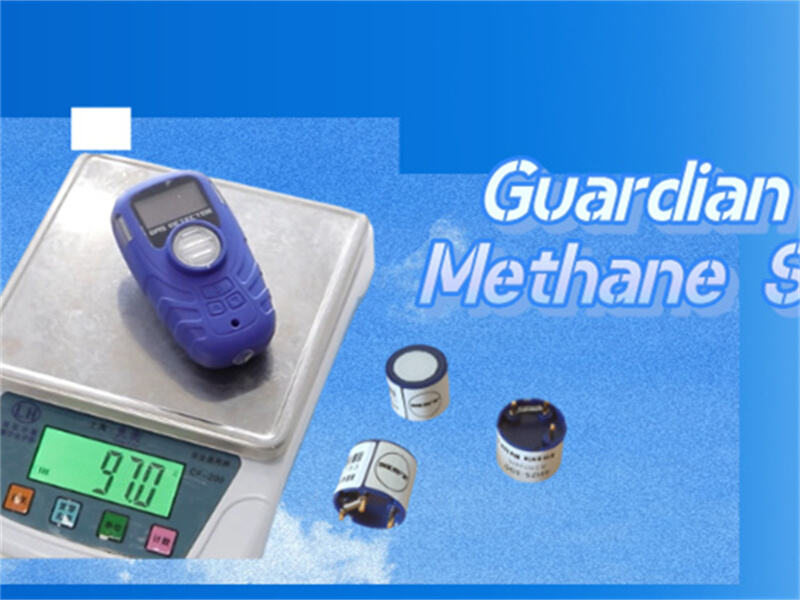
Hydrogen Sulfide (H₂S) Protection: The Lethal Crisis Behind the Rotten Egg Odor
2025/07/10I. The Dual Faces of H₂S: Coexistence of Warning and Extreme Toxicity Hydrogen sulfide (H₂S) has a unique "rotten egg smell," yet it is also a highly toxic neurotoxin. It can be detected by the sense of smell at low concentrations (0.13ppm), but high...
Read More


