
 EN
EN

-
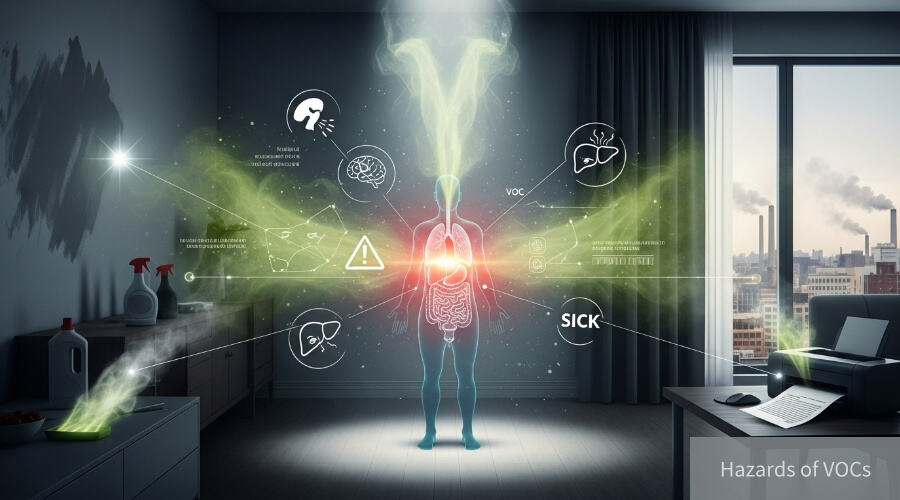
Hazards of VOCs
2025/09/15Among over 900 currently identified indoor chemical and biological substances, at least 350 are volatile organic compounds (VOCs), present at concentrations below 1 ppb. More than 20 of these are known carcinogens or mutagens. Although individual con...
Read More -

Routine Volatile Organic Compounds (VOCs) Detection Items
2025/09/15The commonly used detection methods for volatile organic compounds (VOCs) mainly include Gas Chromatography-Flame Ionization Detection (GC-FID), Fourier Transform Infrared Spectroscopy (FTIR), and Photoionization Detection (PID). Here, our...
Read More -
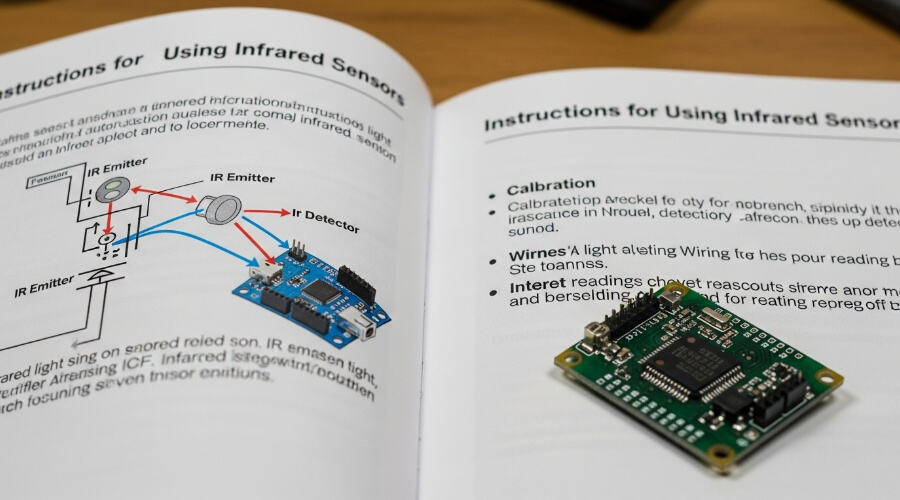
Instruction Manual for All Gas/VOC Gas Sensor
2025/09/15I.Overview The All Gas/VOC sensor is a solid-state polymer gas sensor designed for comprehensive measurement of multiple volatile organic compounds (VOCs) and toxic gases. It operates on the principle of solid-state polymer electrochemistry, w...
Read More -

Precautions for Using PID (Photoionization Detector) Sensors
2025/09/15PID (Photoionization Detector) sensors measure gas concentration by utilizing ultraviolet (UV) light to ionize target substances. They are highly sensitive and widely used for detecting volatile organic compounds (VOCs). The UV lamp in a PID sensor t...
Read More -
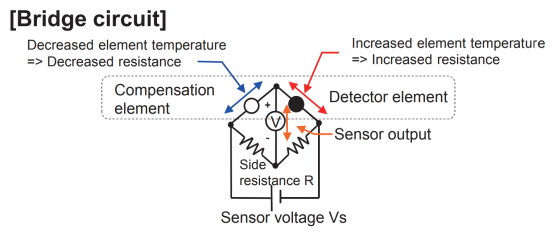
Tips for Using Catalytic Combustion Sensors
2025/09/15The catalytic combustion sensor (Catalytic Combustion Method Sensor) is one of the most widely used gas sensors specifically designed to detect various combustible gases. It operates based on the heat generated when flammable gases combust on an oxid...
Read More -
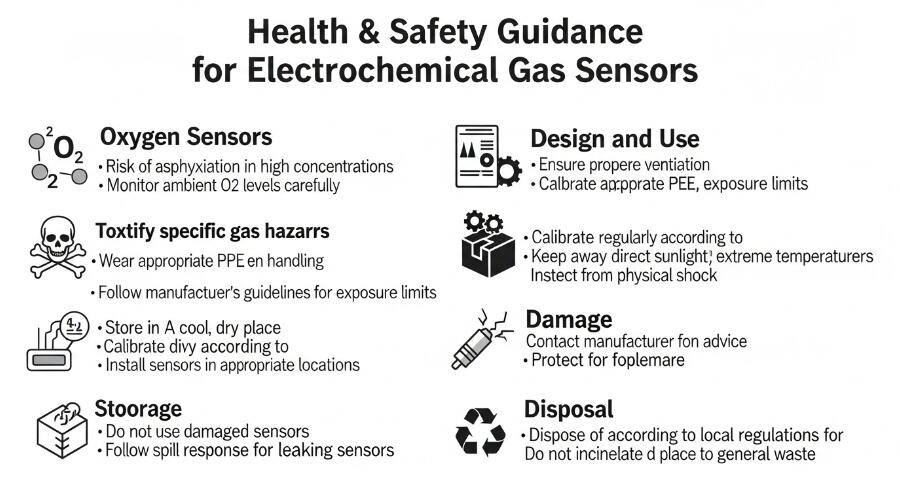
Health & Safety Guidance for electrochemical Gas Sensors
2025/09/15CiTiceL electrochemical gas sensors are sealed components that pose no chemical hazards under normal use, complying with the "Control of Substances Hazardous to Health Regulations (COSHH)" and the Health and Safety at Work Act 1974. However, leaks ca...
Read More


