
 EN
EN
-
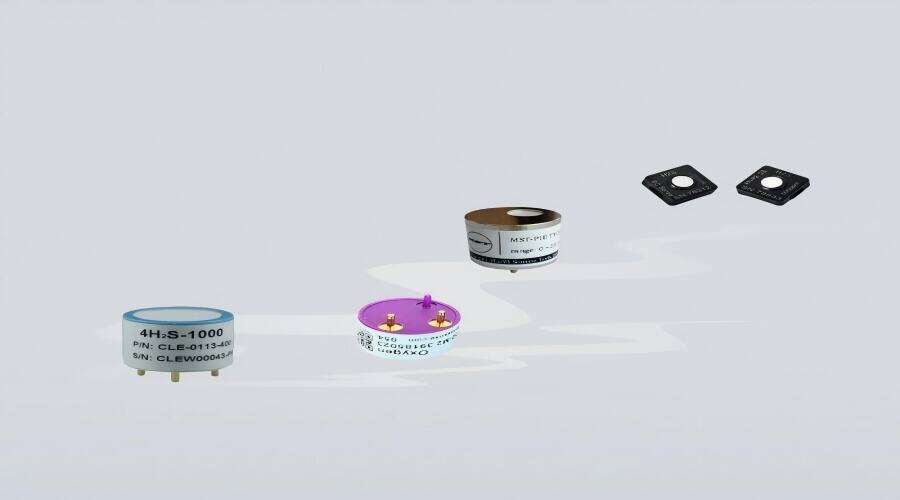
The instructions for use of electrochemical sensors
2025/09/15The sensor consists of three electrodes: the working electrode, the counter electrode, the auxiliary electrode. The reference electrode, and acting as a stable potential point, is connected to the working electrode, allowing for a relatively accurate...
Read More -

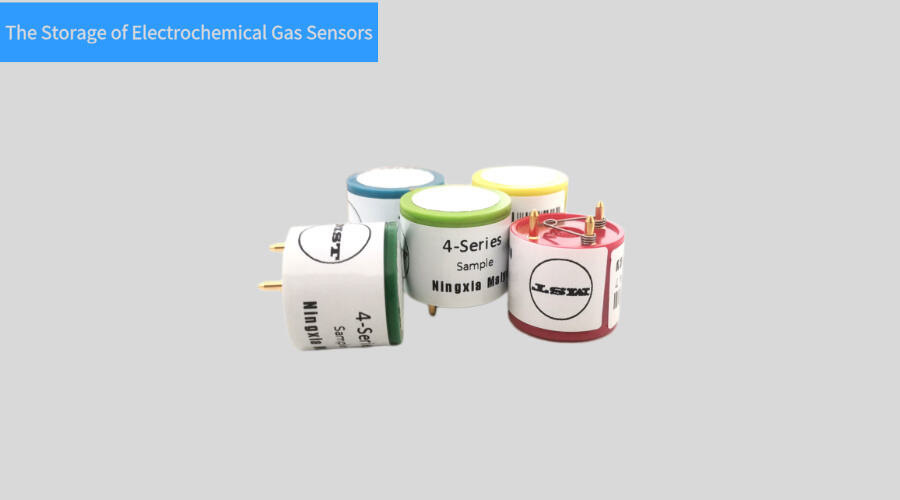
The storage of electrochemical gas sensors
2025/09/15Point 1. Sensors must not be stored for more than six months and must be stored in a sealed container at 0-20°C in clean environment. Point 2. Sensors should not be stored or used in environments with liquid vapors and organic vapors, ...
Read More -
A few things to know about electrochemical sensors
2025/09/15The core principle of electrochemical sensors is electrochemical reactions, which convert the concentration signal of the target gas (or analyte) into a measurable current or voltage signal. Based on continuous practical experience in using electroch...
Read More -
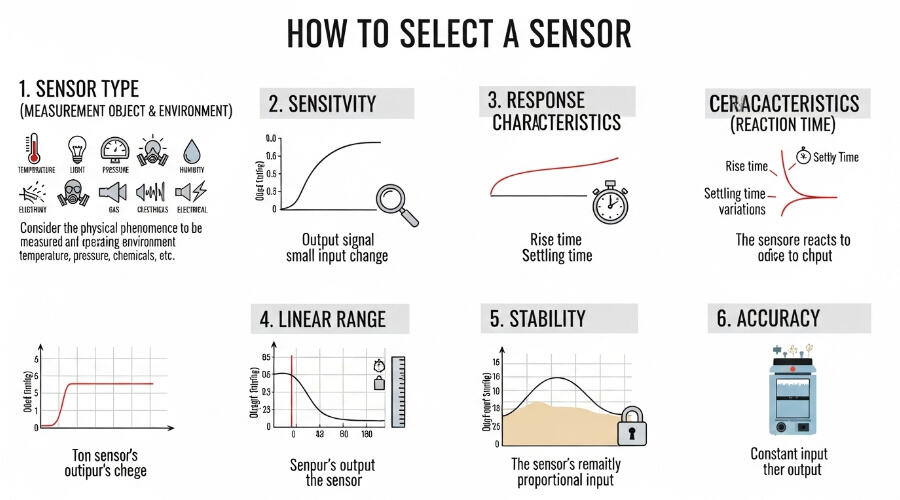
How to select a sensor
2025/09/15Modern sensors vary widely in principles and structures. How to reasonably select a sensor based on specific measurement objectives, objects, and environments is the first problem to solve when measuring a quantity. Once the sensor is determined, the...
Read More -
Common Questions and Answers About Sensors
2025/09/15Point 1. How often does the sensor need to be recalibrated? The interval between initial calibration and recalibration depends on multiple factors, including the sensor’s operating temperature, humidity, pressure conditions, the types of gases ...
Read More -
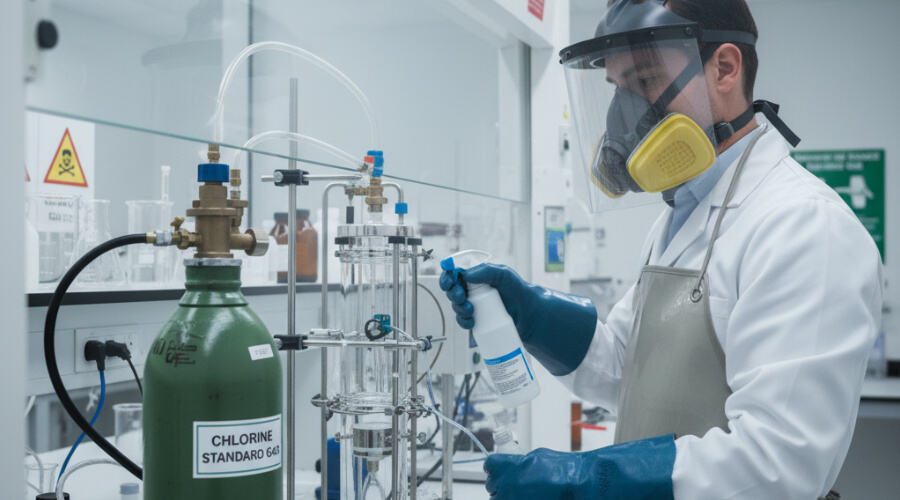
Precautions for testing with Chlorine (Cl₂) Calibration Gas
2025/09/15Chlorine (Cl₂) is a highly toxic, strongly oxidizing, and corrosive gas. It is extremely irritating to the eyes and respiratory tract, and high concentrations can be life-threatening to personnel. In industrial settings where chlorine may be present,...
Read More


