
 EN
EN
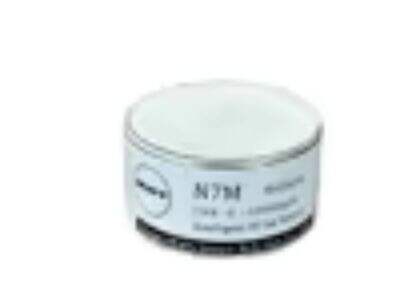
Gas sensors make it possible for us to detect toxic or invisible gases in the air. They are very important, particularly in locations like factories or warehouses where hazardous gases can form. There are various categories of the gas sensor; however, three primordial ones include catalytic, infrared (IR) and electrochemical sensors. Each operates differently, and each is good for different tasks. Understanding how they work may help people who purchase gas sensor in bulk, such as companies or industries, choose the right tool to meet their safety needs. Here at Ningxia Maiya, we ensure that sensors capable of meeting a variety of circumstances are available and protect workers from harm.
A Look at Catalytic Gas Sensors and What They're Used For Wholesale
At Ningxia Maiya, we manufacture rugged catalytic sensors that can withstand even the harshest of conditions. For larger scale purchases these sensors are good value, and can be adapted for a variety of industrial applications. And with proper care, they last a long time. But keep in mind that they require regular checks and cleaning, as dust or chemicals might coat the catalyst and block it from operating. At times they are joined by other sensors to ensure that no gas goes undetected. So, catalytic multi gas sensor are sort of like the first line of defense in a lot of places where flammable gases could just pop up out of nowhere.
What is the Role of Infrared (IR) Gas Sensors in Ensuring Safety for Industrial Wholesale Buyers?
Infrared gas sensors operate in a totally different way as catalytic ones. They don’t burn gas, they use light. These sensors emit infrared light, through the air, and gases in the environment absorb some of that light at certain colors or wavelengths. The sensor detects how much gas is there by measuring the amount of light that disappears. IR sensor module are particularly strong in detecting gases like carbon dioxide or methane at even very low or high concentrations.
Common usage errors of catalytic gas sensors and how to avoid them
Catalytic gas sensors are extremely widely used for the detection of gases such as methane and propane. They function by burning the gas over a tiny heated element. As the gas burns, it alters the temperature and the sensor detects this change in order to determine how much gas is present in the surrounding air. While catalytic sensors are commonly employed, they tend to have issues when they are not used properly. Being aware of these common problems and solutions may help you maintain your sensors in working order.
Why Infrared Gas Sensors are Perfect for Bulk Industrial Gas Detection?
Among these, infrared (IR) gas sensors are excellent candidates for the detection of gases over large industrial plants. These sensors operate in a different manner than catalytic and electrochemical sensors. Rather than burning or otherwise responding to the gas, sensors that are IR-based use light to hunt for gas molecules. They beam invisible infrared light through the air, and gases soak up this light in particular ways. Bao Hua — by keeping tally of how much light is absorbed the sensor can determine what gas is there and how much of it there is.
What Are the Main Distinctions among Catalytic, IR, and Electrochemical Gas Sensors?
There are different types of gas sensors and the right one for you depends on what type of gas you need to detect, where you will use it. The most usual are catalytic, infrared (IR), and electrochemical sensors. The classes each work in unique manners, strengths and weaknesses. And knowing that will help users choose the best sensor for their particular situation.
Table of Contents
- A Look at Catalytic Gas Sensors and What They're Used For Wholesale
- What is the Role of Infrared (IR) Gas Sensors in Ensuring Safety for Industrial Wholesale Buyers?
- Common usage errors of catalytic gas sensors and how to avoid them
- Why Infrared Gas Sensors are Perfect for Bulk Industrial Gas Detection?
- What Are the Main Distinctions among Catalytic, IR, and Electrochemical Gas Sensors?