
 EN
EN
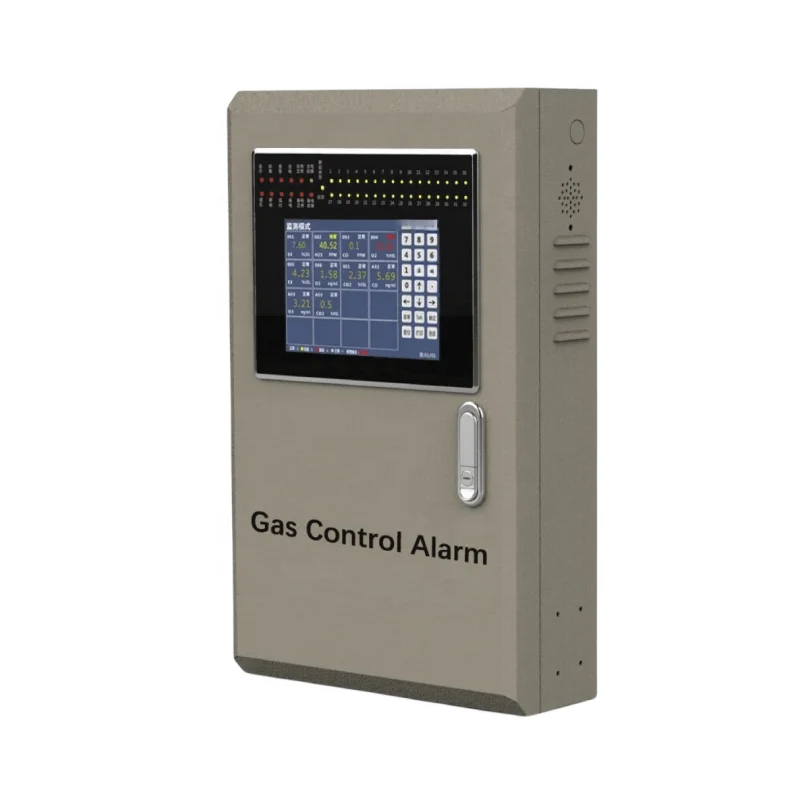
Gas detectors are devices that find potentially dangerous gases in the air and help keep people safe in many different environments from the home to factories. But these detectors have to have sensors inside them to work properly. Sensors are the components that actually sense the gas and alert the detector when something is not right. And like all sensors, these wear out or get dirty over time and stop working as well. That’s also why it is important to replace them frequently. At ningxia maiya, we understand that keeping your sensors fresh and your security strong are crucial to maintaining the absolute safety of today's protection uses. If the sensor is overdue for replacement or no replaceable sensor installed, the gas detector could miss dangerous levels or fail to provide an alarm/ warning at all and even give out misleading alarms causing panic. So, switching out sensors on a regular basis isn’t just something small to take care of it’s really part of everyone staying safe.
How Cryogenic Gas Detectors Help to Fulfill Safety Compliance in Being Operated with Replaced Chemical Sensors Regularly
The safety regulations in the two scenarios demand that gas detector should work 100 percent of the time. The oldness of the sensors makes them unable to sense the gas appropriately. Sensors are sometimes lazy or go to sleep and fail to alarm when there is a leakage of gas. This may result in the break of safety laws and may even risk the lives of workers or individuals around the area. An example is that, in a chemical plant, when the sensor fails to raise an alarm when the gases leak, people will unconsciously inhale harmful elements. Standardized sensor replacement is the way such companies like Ningxia Maiya can help customers comply with safety regulations. Detectors also give precise alarms initially, and this prevents injury in case the sensors are new. And to top it all, much of the safety checks require evidence of sensors having been changed as per the routine schedule. Failure to replace a gas detector on a regular basis may lead to failure during safety inspection. This could either stop an operation or result in fines. In order to replace sensors, it is not just a question of changing parts and so, it is about making sure that all in our system of safety is performing as we want it to, saving lives and property. Although a sensor may look good on the surface, it may lose its power or lose its precision internally. The neglect of sensor age has already been risky as in our case at Ningxia Maiya. We keep reminding our clients: it is not worth waiting to have something bad to happen. Pre-plan sensor changes before something goes wrong. In this manner your gas detectors will be stable, and regulations of safety will be observed.
Common Problems Caused by Late Replacement of Sensors in Gas Detectors
When hold off too long on changing sensors you run into a lot of issues. For one thing, sensors can give false alarms. Think of a gas detector that warns about gas even when there is none. That can be confusing and prompt people to ignore warnings. Or, if sensors are old enough, they might not sound an alarm at all when gas does exist. Such a quiet failure is so dangerous because people assume everything is safe. The second problem is damage to the gas detector. Old sensors also can lead to the whole device malfunctioning or breaking down earlier. That means more costly repairs and downtime. At Ningxia Maiya, we find many examples of customers who bide their time over a problem and end up spending more money fixing bigger issues. Additionally, delayed sensor replacement may undermine employees' trust. If alarms are constantly false or fail, workers could stop heeding the detector. This dangerous routine snowballs and becomes more chancy the longer one does it. Sensors also respond more slowly as they age. The detector might not be able to detect a gas leak in time. That lag can be the difference between injury or worse. Some sensors are influenced by temperature or humidity, and those effects tend to get worse as time goes on. Sensors don’t have the firepower to survive in a dynamic world without occasional refreshes. At Ningxia Maiya we have known more exciting sensor change schedule maintains detectors accurate and reliable as in according to our work. Not replacing sensors when atop a sensor is not acceptable risk for any company to accept. Better to invest in new sensors than have accidents or broken equipment later.
Why Purchasers Should Focus Sensor Replacement of Gas Detection Systems in a Timely Manner
Gas detectors are devices that save lives by alerting people to the presence of hazardous gases in the air. Who is wholesales gas detectors in bulk connected buy a lot and is using or selling many places, he must timely replacement of gas detectors sensors. Sensors are the components of gas detectors that actually detect the gas. As these sensors age or get damaged, they might not perform well, causing the detector to fail to pick up dangerous gas leaks. In some cases, this is a recipe for unsafe conditions house fires, explosions or health issues in locations like factories or warehouses, and construction sites.
Gansu Ningxia Maiya understands that sensor have a shelf life. Their sensitivity to gas begins to fade. Wholesale customers must ensure that they replace sensors on a regular basis, so every gas detector they offer customer works like new. If sensors are changed out too late, the detectors could give false alarms or, worse, fail to alert you to actual hazards. That can create big headaches for the buyers, since if the detectors don’t work well, their customers might lose faith in them. In addition, there are laws and safety regulations that mandate gas detectors be properly working use new sensors at the right times. Watching their gadgets from the sidelines and replacing sensors when they should also enables wholesalers to protect people’s safety, play by the rules, and keep their business strong. Ningxia support buyers with clear instructions and completely made of reliable sensors to make sure gas detector lasts for years.
How to Best Maintain or Replace Sensors in Gas Detectors
Good sensor care is the key to keeping sensors on gas detectors working well. Sensors are delicate, and they can be soiled or damaged or wear out over time. Here are some easy, intelligent ways of care for sensors by Ningxia Maiya. First, always comply with the sensor-change out schedule from the sensor manufacturer or gas detector’s manual. This helps to ensure that the sensor is replaced before it malfunctions. Second, periodically check the gas detectors and be on the lookout for warning signs of sensor problems, such as strange readings or alarms that don’t add up.
It is also a good idea to clean the detector and its sensor area. Dust and dirt can obstruct the sensor and decrease its accuracy. Wipe detector with a soft cloth or soft brush, taking care not to damage any of the components. Another best practice is to store the gas detectors in clean, dry environments when they are not being used because moisture and dust can damage sensors.” Be proactive about swapping out a sensor if it’s any way showing damage or you suspect poor performance; don’t wait for the scheduled replacement.
Ningxia Maiya recommends that all Sensor maintenance and replacement be documented by anyone who sells or uses the meter wholesale. This makes it easy to follow when the next change is due and has evidence that the gas detector is safe and well maintained. By adhering to these best practices it ensures that the gas monitors will be more accurate and reliable in providing people with early warnings to protect them from dangerous gases. It’s an easy way to take care of sensors that protect lives and property without needing them to fail to intervene.
How Does the Age of Your Gas Detection Sensors Affect Accuracy and Safety Requirements for Purchasers
The age of a sensor in a gas leak detector is crucial because it determines how well the detector can spot hazardous gases. Sensors don't perform the same as they age that when they were new. That means the gas detector may not provide accurate information. At other times, it could indicate there is no gas present when there really is, or give off false alerts that can confuse and waste time. Ningxia Maiya wants consumers to know that old sensors can pose a major risk as they decrease the safety and reliability people feel when it comes to gas detectors.
As sensors grow older, chemicals within them may change or wear out, reducing their sensitivity. That means they could miss small quantities of harmful gases that can still injure people or cause accidents. Safety regulations and laws often specify that gas detectors meet certain accuracy standards to ensure the safety of workers and the public. If a gas detector has an outdated sensor, it might not comply with these rules, and the result can spell legal trouble for purchasers and users. Wholesale buyers should remember this, and replace sensors when they are not aging so well anymore.
Ningxia Maiya supports buyers with sensors that have at least clear information about how long it will work well. By changing the sensors on schedule, gas detectors do not lose their reliability and accuracy. That keeps everyone depending on the detectors workers, families, communities safe. In other words, the age of a sensor has a big impact on how safe and reliable gas detectors are, and replacing sensors frequently is one of the best ways to ensure these vital tools continue performing well.
Table of Contents
- How Cryogenic Gas Detectors Help to Fulfill Safety Compliance in Being Operated with Replaced Chemical Sensors Regularly
- Common Problems Caused by Late Replacement of Sensors in Gas Detectors
- Why Purchasers Should Focus Sensor Replacement of Gas Detection Systems in a Timely Manner
- How to Best Maintain or Replace Sensors in Gas Detectors
- How Does the Age of Your Gas Detection Sensors Affect Accuracy and Safety Requirements for Purchasers