
 EN
EN
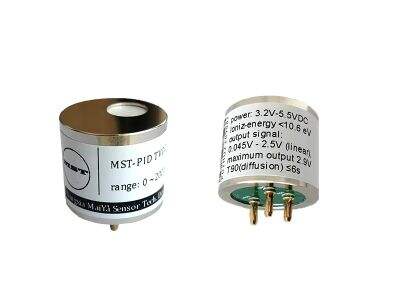
They are a type of sensor called photoionization detectors, known as PID sensors for short, which can help sniff out trace amounts of harmful gases in the air. These sensors operate by blasting airstreams with ultraviolet light. But when certain chemicals in the air, known as volatile organic compounds (VOCs), are struck by that light, they lose electrons and transform into charged particles. This movement generates a small electric current, which the sensor reads. We can determine how much of the bad gas is there by the amount of this current. Ningxia Maiya employs this smart technology to help keep the air safe at factories and other places where chemicals might waft through the air. Understanding how these sensors function helps us clean up the environment and keep people healthier
The Critical Importance of PID Sensors in Air Quality and Hazardous Gas Detection
PID sensors are very good for watching the air we breath especially in areas which might have dangerous gases. Thousands of factories and industrial sites across the country use chemicals that can convert into noxious gases if inhaled. Many of these gases, however, are odorless, so people can’t detect them. That’s why the sensors that Ningxia Maiya builds are so necessary. They are able to trap minuscule concentrations of these gases before they grow into a serious issue. For instance, if a factory is leaking even a minuscule amount of benzene, a carcinogenic chemical compound, the PID sensor will detect it quicker. This early warning enables workers to remove themselves from the area or repair the leak quickly. Speaking of cities, the air quality in them can change as well due to cars and factories. PID sensors are used to test the air to ensure it is safe for people. Sensor readings can sometimes appear finicky because different gases may respond differently. But the sensors from Ningxia Maiya are painstakingly designed to accommodate a variety of volatile compounds, so they offer clear data. This makes it so safety teams can trust what they are seeing on the device. The sensors work quickly too. At busy industrial sites, each second matters in preventing exposure to poisonous gases. Which is why early detection helps avoid accidents or health issues. Using PID sensors to monitor air quality is not only a matter of safety at work. It also aids in protecting the environment by catching pollution early. This helps to keep the air cleaner in homes and schools located near industrial facilities. So, to have PID sensors is like having a smart guard that’s on the lookout for these unseen hazards in the air. Because of Ningxia Maiya’s experience in producing sensors, you can trust them to be reliable tools needed to protect people and keep the air clean
PID Sensors Problems and how to solve them
But even though PID sensors are smart and useful, they often don’t work perfectly. Users of these sensors, such as those utilising the Ningxia Maiya devices, could however experience common issues. One issue is that the sensor gets dirty. Dust, oil or other particles can obscure the sensor’s light, or make it more difficult for it to sense gases. When it does occur, the sensor may display lower readings or stop working altogether. Wiping the sensor clean with special wipes, or following the company’s guide typically solves this. Another is something known as humidity interference. The sensor becomes confused and the numbers jump up and down when there’s too much moisture in the air. Users in especially humid locations may need to utilize filters or tweak the sensor settings. Further, PID sensors must be calibrated periodically, Calibration is the process of adjusting the sensor to read gases properly. If calibration is omitted or performed incorrectly, the sensor may produce false alarms or fail to detect real risks. To maintain sensors properly calibrated, Ningxia Maiya offers instructions and instruments for users. At other times, the sensor could be picking up gases that aren’t really harmful but just happen to look like dangerous ones. This is called cross-sensitivity. Knowing what gases you’re in allows for better interpretation of the readings by users. Also as part of troubleshooting, it’s worth checking the battery or power source to the sensor. Low battery can lead to odd behavior or sluggish response times. Users should change batteries in time, or use a stable power supply
Industrial Application of PID Sensors for Safety and Environmental Monitoring
PID sensors, Photoionization Detectors, are a kind of special tool that helps us find and measure very small amounts of chemicals in the air. They are known as volatile organic compounds, or VOCs. VOCs are dangerous when people inhale them, so detecting them early is crucial. They are employed widely in the kind of environments where safety is paramount and atmosphere must be closely monitored
Factory and industrial workers are exposed to various types of gasses and chemical at work places. Some of them might be explosively flammable or hazardous to health. Some of these gases can be detected rapidly by PID sensors long before they become dangerous in concentration and can help keep workers safe. For instance, PID sensors in production facilities like chemical plants or oil refineries, as well as locations where solvents and paints are employed can identify leaks or spills that the naked eye cannot. This early alert can prevent accidents and illness
Apart from industrial applications, PID sensors are useful tools for environmental control. They also enable scientists and workers to monitor the air quality in cities or close to factories. At times, noxious gases from cars or factories can foul the air. With PID sensors, environmental crews can gauge how much pollution is in the air and determine whether to take action to protect people and nature. This is very important to ensure our air is clean and healthy
Here at Ningxia Maiya, we offer high quality PID sensors that are ideal for use in these critical areas. Our sensors are designed for reliability and ease of use, enabling numerous workers and environmental professionals to do their jobs more effectively. And because VOC detection is so critical for the health and safety of people, picking good sensors like ours can make a world of difference, literally: People on this planet depend on it
Securing High-Quality PID Sensors for Dependable VOC Detection on Bulk Purchase, Tips You Can Follow
When you need many PID sensors at one time, say, for a large factory or an environmental project, buying them in bulk can save money and time. But it is essential that all the sensors they purchase work properly and produce accurate readings. Quality PID sensors help accurately detect VOCs, protecting people and the environment. So, how can someone ensure they receive good sensors when purchasing many
First, it pays to know what goes into a good PID sensor. A good sensor will react rapidly and precisely to minute concentrations of VOCs. And it must be sufficiently robust to perform well in locations, such as hot or cold areas, with dust or moisture. Sensors that do not need as much repair and hold up over time are a cost savings
If you buy in bulk, make sure to see if the sensors come with some certificate or test that demonstrates they work well. This indicates the sensors have been vetted by experts and satisfy certain quality standards. It also helps if the company selling the sensors, like Ningxia Maiya, provides support and advice on using the sensors properly. Good customer service will help resolve issues quickly and ensure the sensors continue to work as designed
Another piece of advice is to get samples before purchasing a large quantity of sensors. This allows companies to test the sensors in real working environments and determine if they are adequate. Testing is what prevents headaches down the road and ensures the VOC detection is reliable
Finally, ensure that the sensors themselves are easy to install and maintain. If sensors are difficult to already use, or to maintain and repair workers may not look after them well which could lead to errors. Ningxia Maiya’s PID Sensors are User-friendly and Reliable making these an ideal pick for those purchasing in bulk looking to have reproducible and accurate VOC detection
What is PID Sensor Accuracy influenced by & How to Improve the Performance of Sensors
PID sensors are great, but accuracy can depend on various things. But to get the best results and keep workers safe, it’s important to know what factors affect how well a PID sensor works and how to make it work better
The type of gas or chemical measured in a given system is one big factor. Dissimilar VOCs can have dissimilar signals in a PID sensor, so one has to know what chemicals are expected. Here are three ways to finesse the sensor! Some gases are easier than others for the sensor to detect. That is, one chemical might be read well by a particular sensor and another would require a different tuning
Another consideration is the atmosphere in which the sensor is employed. Factors like temperature, humidity and dust can influence how the sensor operates. For instance, very humid air may sometimes cause the sensor to be less sensitive. The sensor can be blocked by dust or dirt leading incorrect readings. To prevent this, it’s important to keep the sensor clean and use it in appropriate conditions
Calibration Is Also A Must For Precision. This requires recalibrating the sensor periodically to ensure it provides accurate readings. Should be calibrated with known gases so that the sensor can be adjusted to the correct levels. At Ningxia Maiya, we offer simple instructions and assistance in calibrating the PID sensors accurately. Frequent calibration is one way to help keep the sensor accurate through time
Lastly, performance of the sensor can be impacted by its manipulation. Environmental sensitivity to harsh chemicals, rough handling or power issues can kill the sensor. with Ningxia Maiya’s robust PID sensors and taking the care instructions into account, you can ensure a long life for the sensor
By knowing these factors and protecting the PID sensors, users can rely on the readings and ensure dirty air doesn’t have dangerous volatiles. This is why the choice of sensors can be paramount and understanding where, when and how to best use them is so important for safety and environmental health
Table of Contents
- The Critical Importance of PID Sensors in Air Quality and Hazardous Gas Detection
- PID Sensors Problems and how to solve them
- Industrial Application of PID Sensors for Safety and Environmental Monitoring
- Securing High-Quality PID Sensors for Dependable VOC Detection on Bulk Purchase, Tips You Can Follow
- What is PID Sensor Accuracy influenced by & How to Improve the Performance of Sensors