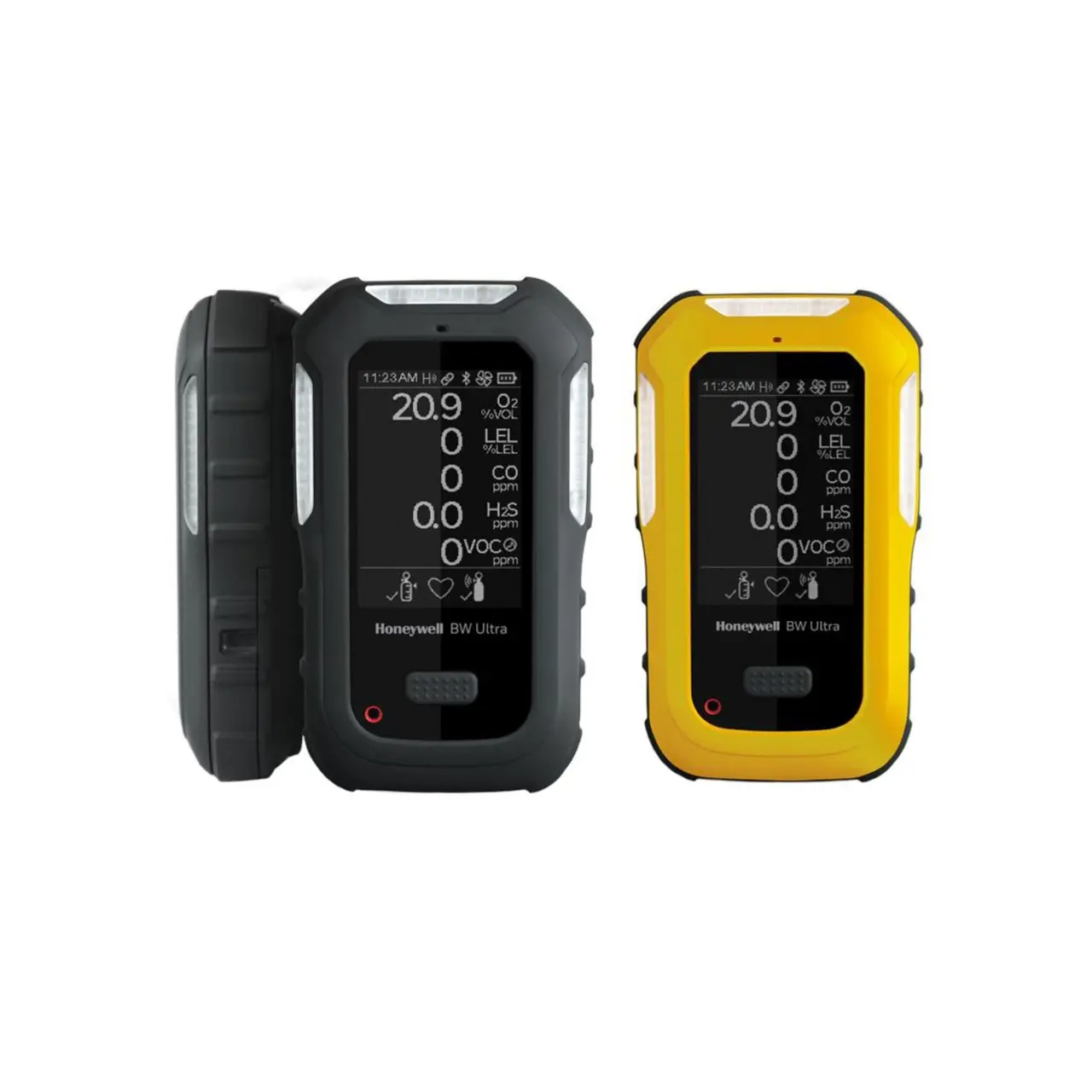
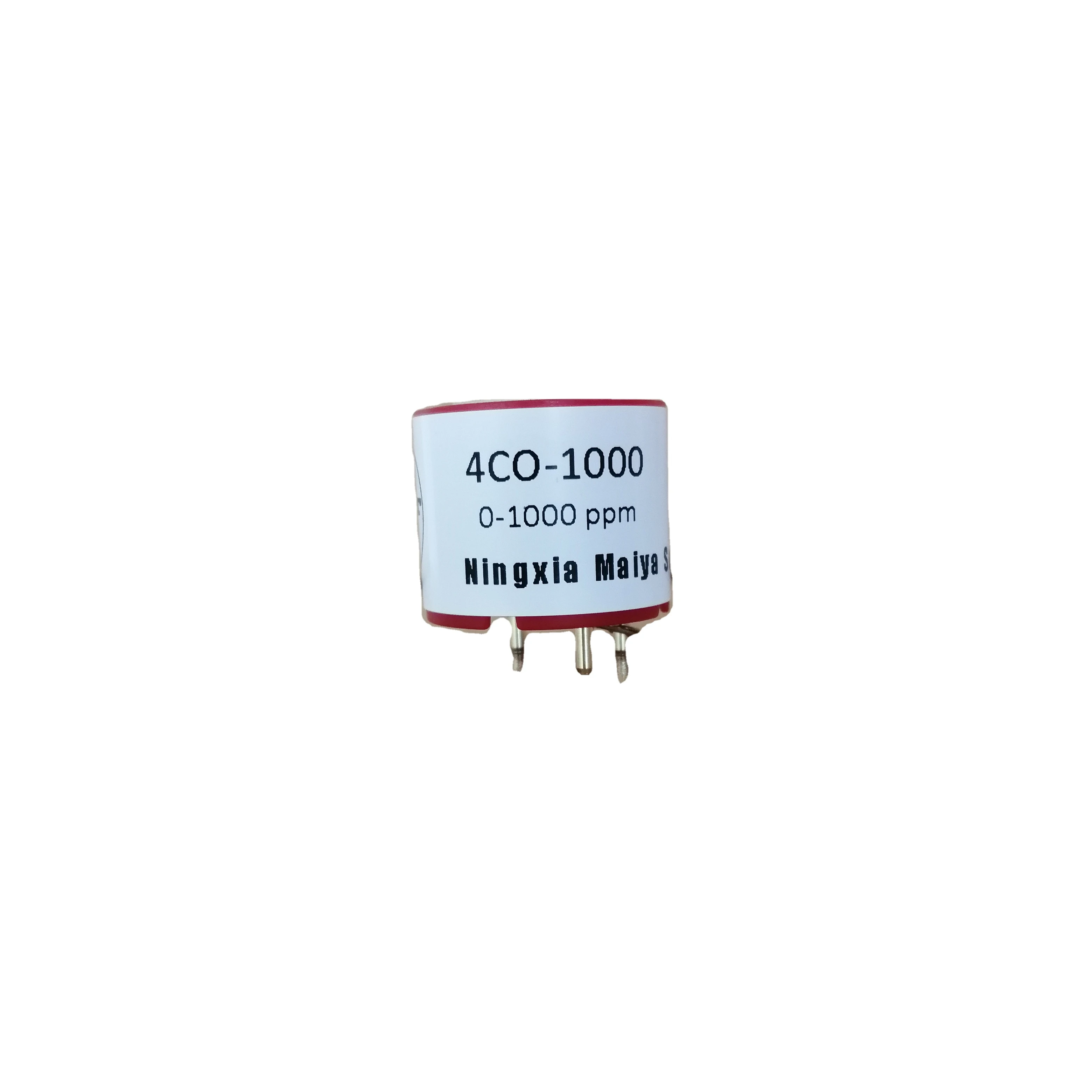
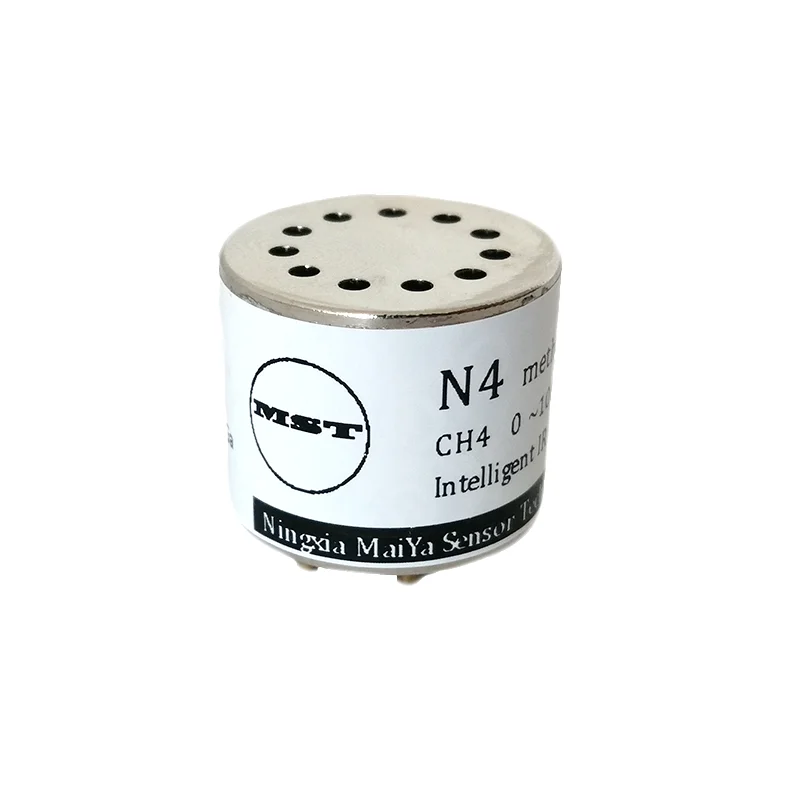
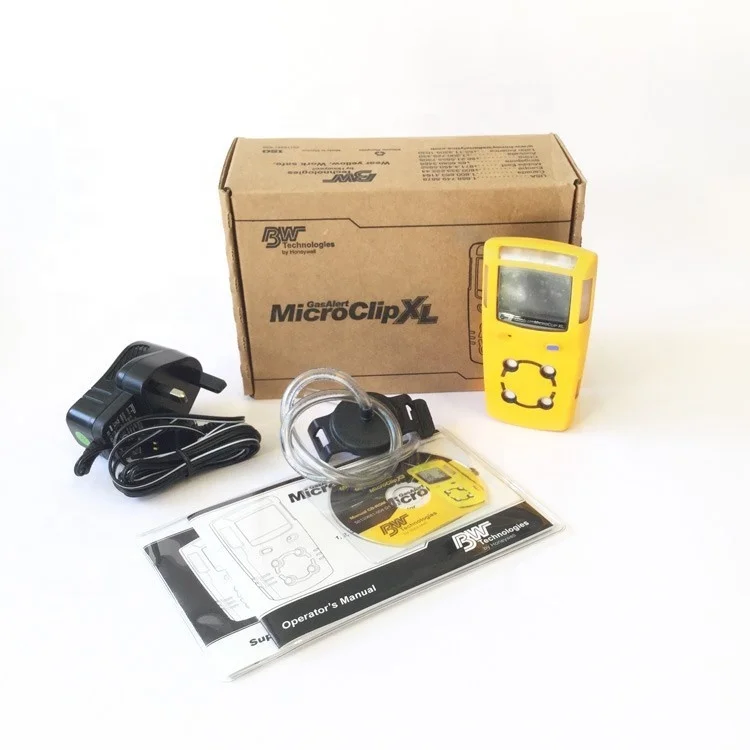
When someone is extremely ill and struggling to breathe, doctors put them on a special machine known as a ventilator. A ventilator enables the person to take in sufficient oxygen to feel better and recover more quickly. One essential component in a ventilator is an oxygen sensor. The oxygen detector makes it possible for doctors and nurses to find out how much oxygen the person requires and ensures that they are fed only the amount they require.
In critical care, everything matters. And that’s why the oxygen sensor is so important. It assists doctors and nurses in checking for adequate blood flow of oxygen to the patient. If, instead, the level of oxygen is too low, then sensors will buzz the medical team and tell them to change the ventilator. This helps make sure the patient is getting enough oxygen to breathe better and recover faster.
The sensor measures the amount of oxygen in the air that's being directed to the patient. It attaches the sensor to the ventilator, and it constantly monitors the levels of oxygen. If the levels drop, the sensor signals the ventilator to deliver more oxygen. This ensures that the patient receives precise amounts of oxygen for improved breathing.
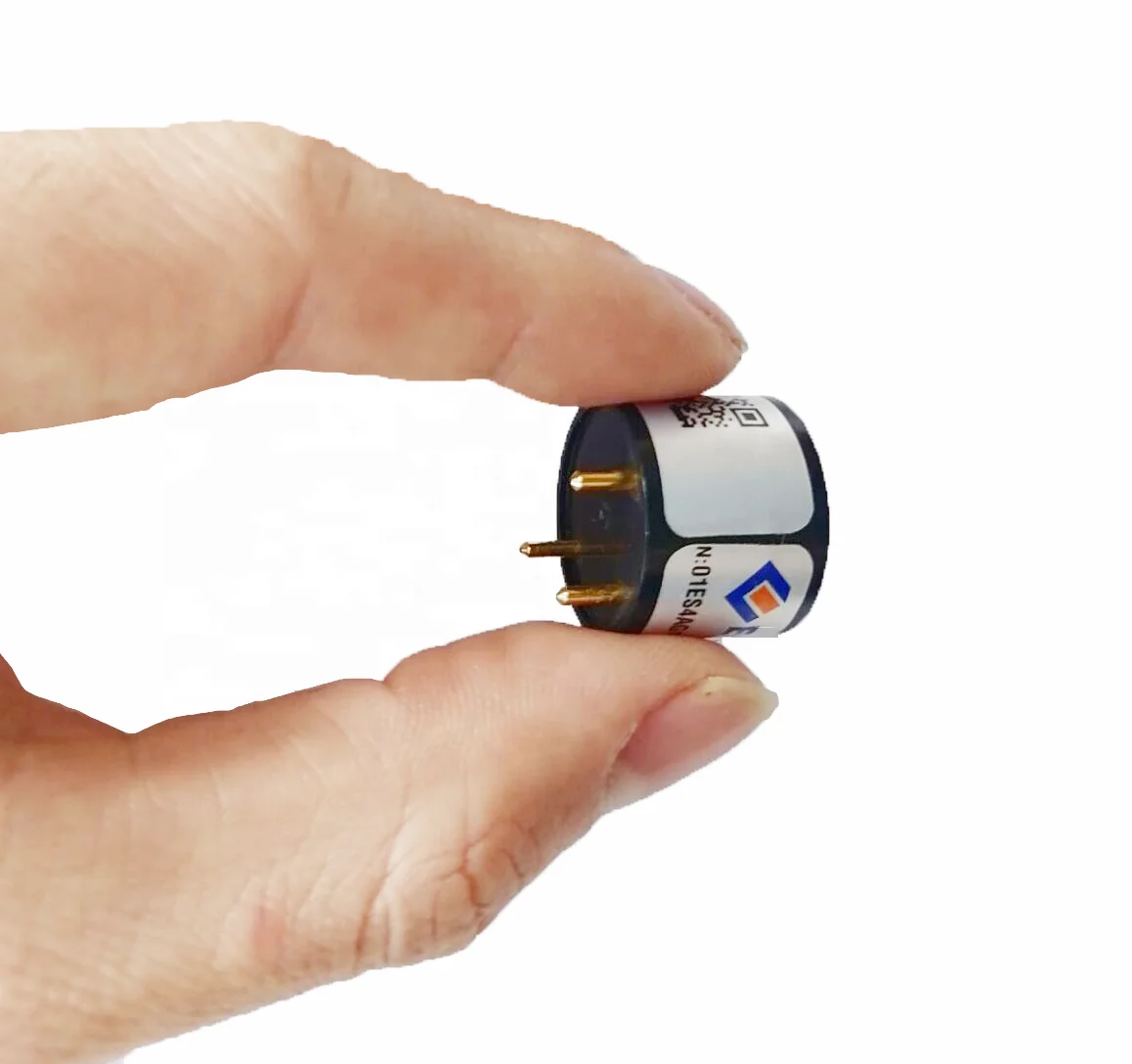
Similar to any machine, the oxygen sensor must be maintained to function correctly. That being said, the key here is that the sensor needs to be checked regularly to ensure that no dirt is on it. A dirty sensor will cause inaccurate oxygen levels readings. Another key point is that the sensor needs to be configured correctly to measure how much oxygen is in the air being provided to the patient.

Oxygen is necessary to breathe, but too much oxygen can be dangerous. That's known as oxygen toxicity. An oxygen sensor helps avoid this by preventing the patient from being given too much oxygen. The sensor continues to monitor the levels of oxygen and adjusts the ventilator settings accordingly to ensure the patient receives the exact amount. It helps ensure that the patient remains safe and gets the best care they can.
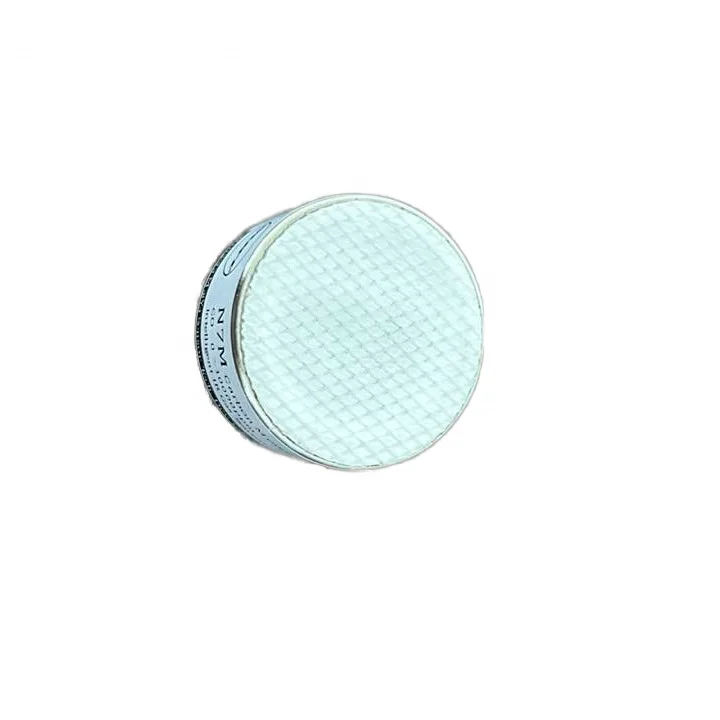
Innovative technology for oxygen sensors has had a significant impact on patient care. The new sensors are more precise and reliable, which means doctors and nurses can trust the readings. This also helps them get better at making choices on how to care for the patient. With these improvements, patients can experience less anxiety and recover more quickly, resulting in improved health.”
We specialize in developing customized products and solutions to meet liberalized or innovative customer needs, enabling more flexible and efficient operations across various working environments.
With over 1,000 industry-specific scenarios served globally, we possess deep expertise in tailoring gas detection solutions for diverse fields, from petroleum and chemical engineering to environmental protection and clean energy.
We provide true one-stop gas detection services, covering everything from initial consultation and system design to on-site installation, ensuring a seamless and integrated safety solution for our clients.
Our product range spans seven major series—from sensors and fixed detectors to IoT monitoring platforms—offering both portable and stationary solutions suitable for industrial, commercial, and domestic applications.

 EN
EN