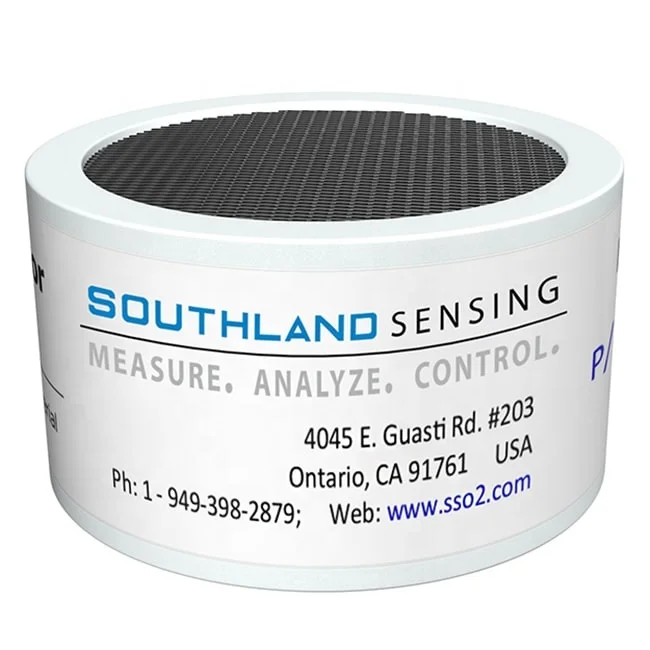
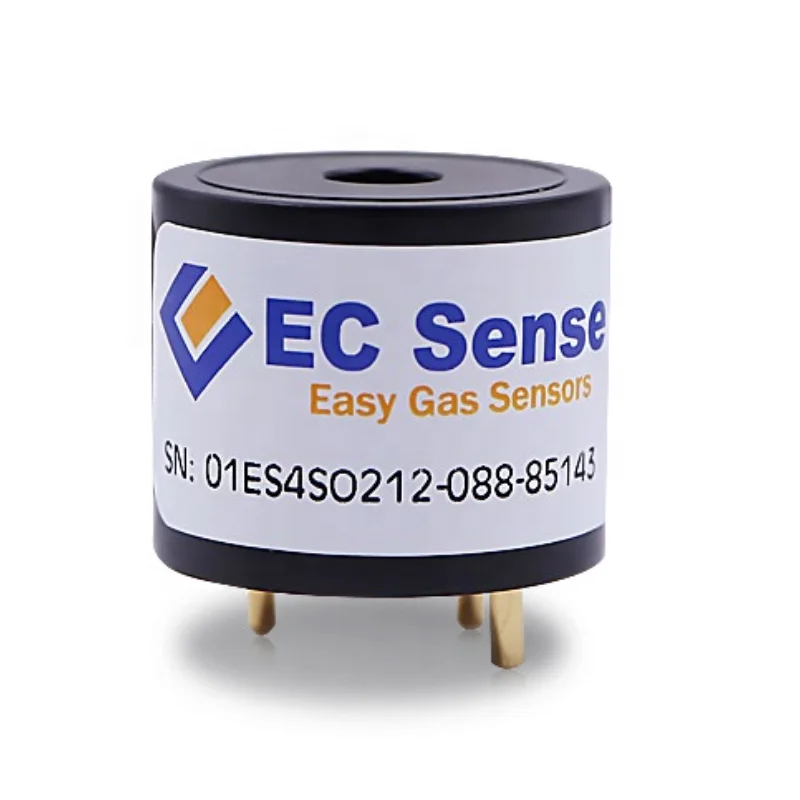
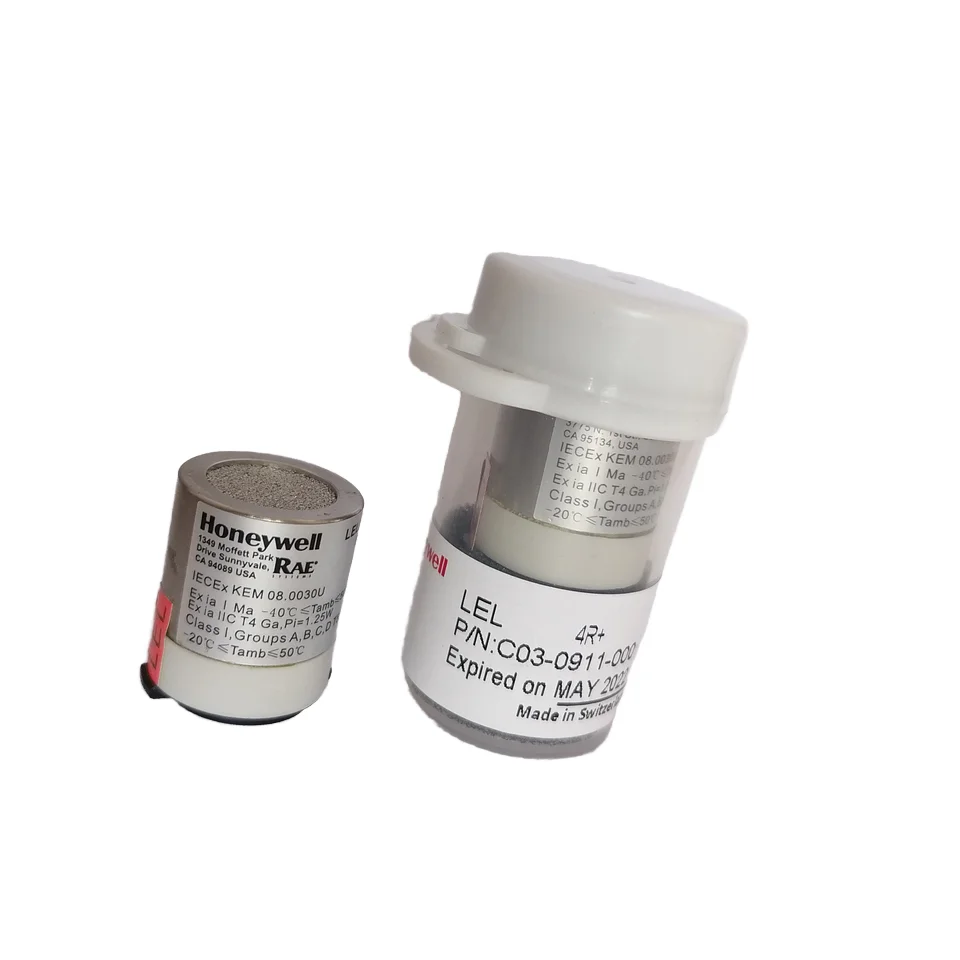
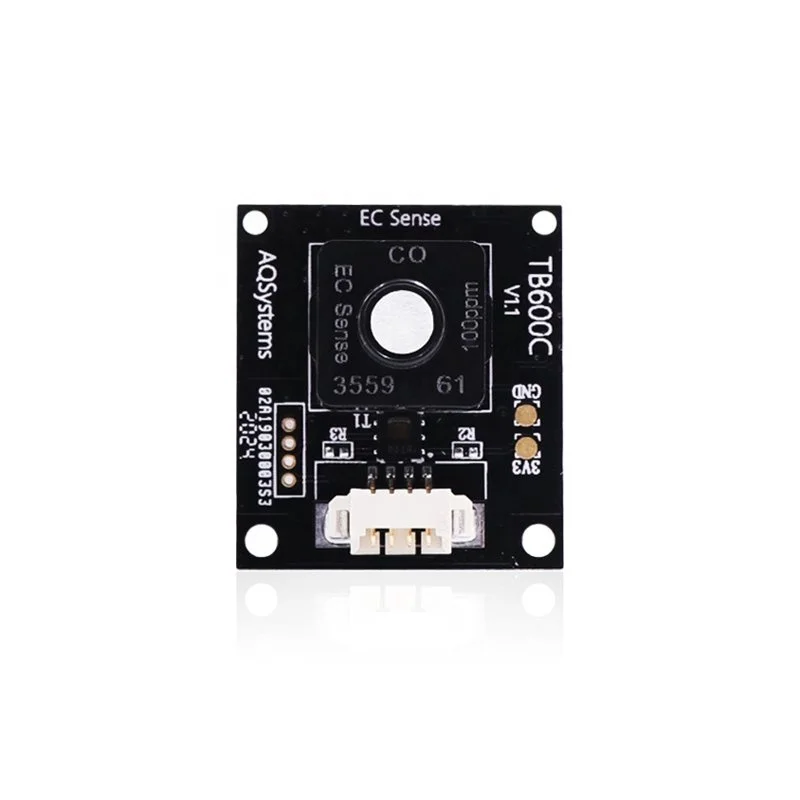
Oxygen sensors, like Ningxia Maiya’s AO2 sensor, are incredibly important for ensuring that we are all able to be safe and healthy. They serve to help us determine whether the air we breathe contains enough oxygen. But how exactly do they work, and why are they so critical?
Air is comprised of various gases, including nitrogen, oxygen and carbon dioxide. Oxygen is a gas that we have to have to survive. An oxygen sensor allows us to monitor how and how much oxygen is present in the air around us. Our health can be in real danger if the oxygen levels fall too low. Which is why it is super important to have oxygen sensors in places such as factories, cars or even in our homes.
An oxygen sensor is sort of like a little nose that can smell oxygen in the air. It has a little material inside that’s special in that it can interact with the oxygen molecules. When the sensor does sense that there are detectable levels of oxygen, it’s sending a signal to a computer or a screen that shows us exactly how much oxygen is in the air. That way, we can ensure the air is safe for us to breathe.”
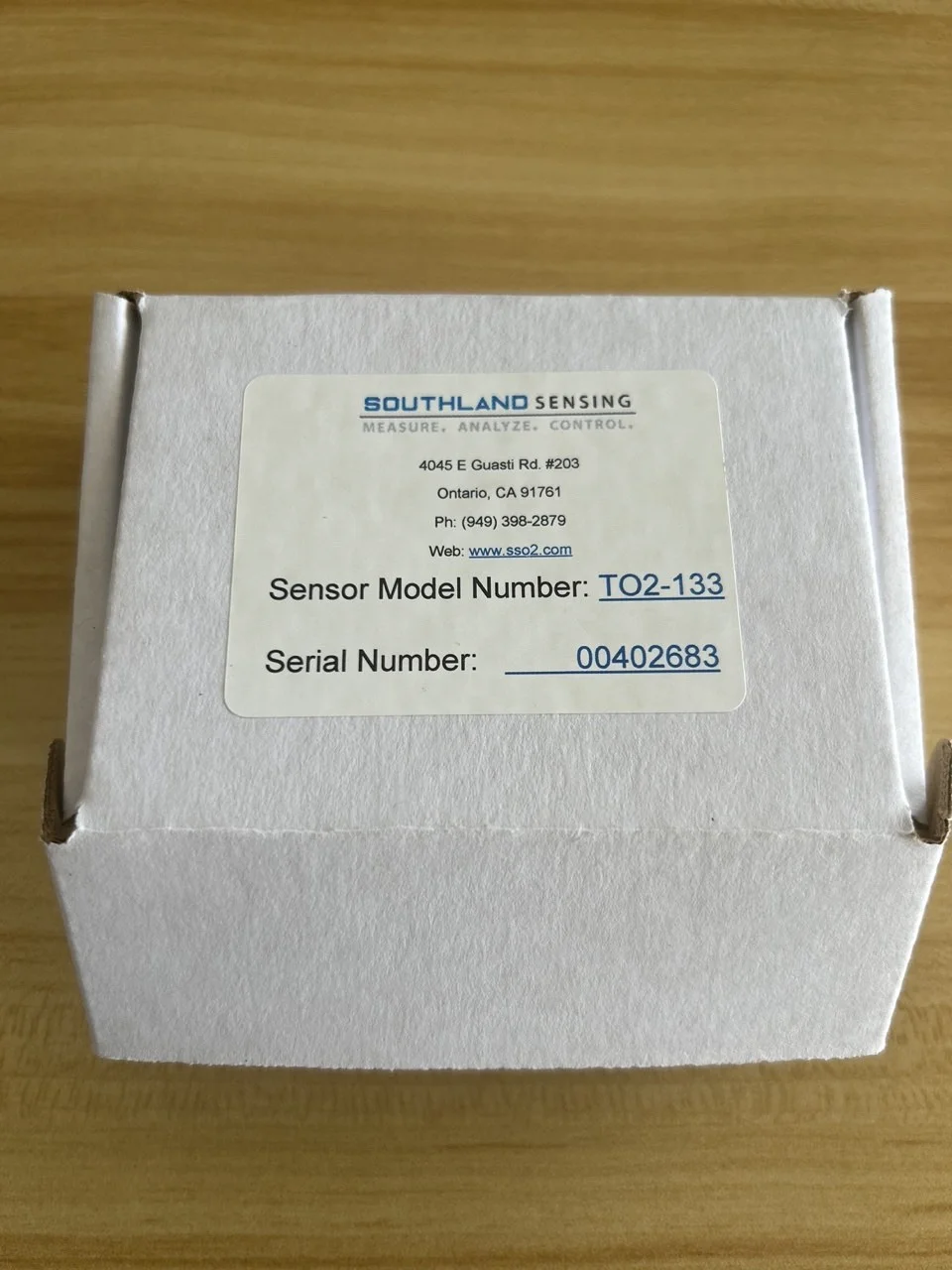
Humans need oxygen to survive. Without the oxygen we need, we can become ill — or even die. That’s the importance of oxygen sensors. They also help us ensure that the air we breathe is rich in oxygen. This is crucial in locations such as hospitals, where people who are sick require additional oxygen to breathe more effectively. And oxygen sensors help doctors and nurses know how much oxygen patients are getting, so they can keep them safe and healthy.
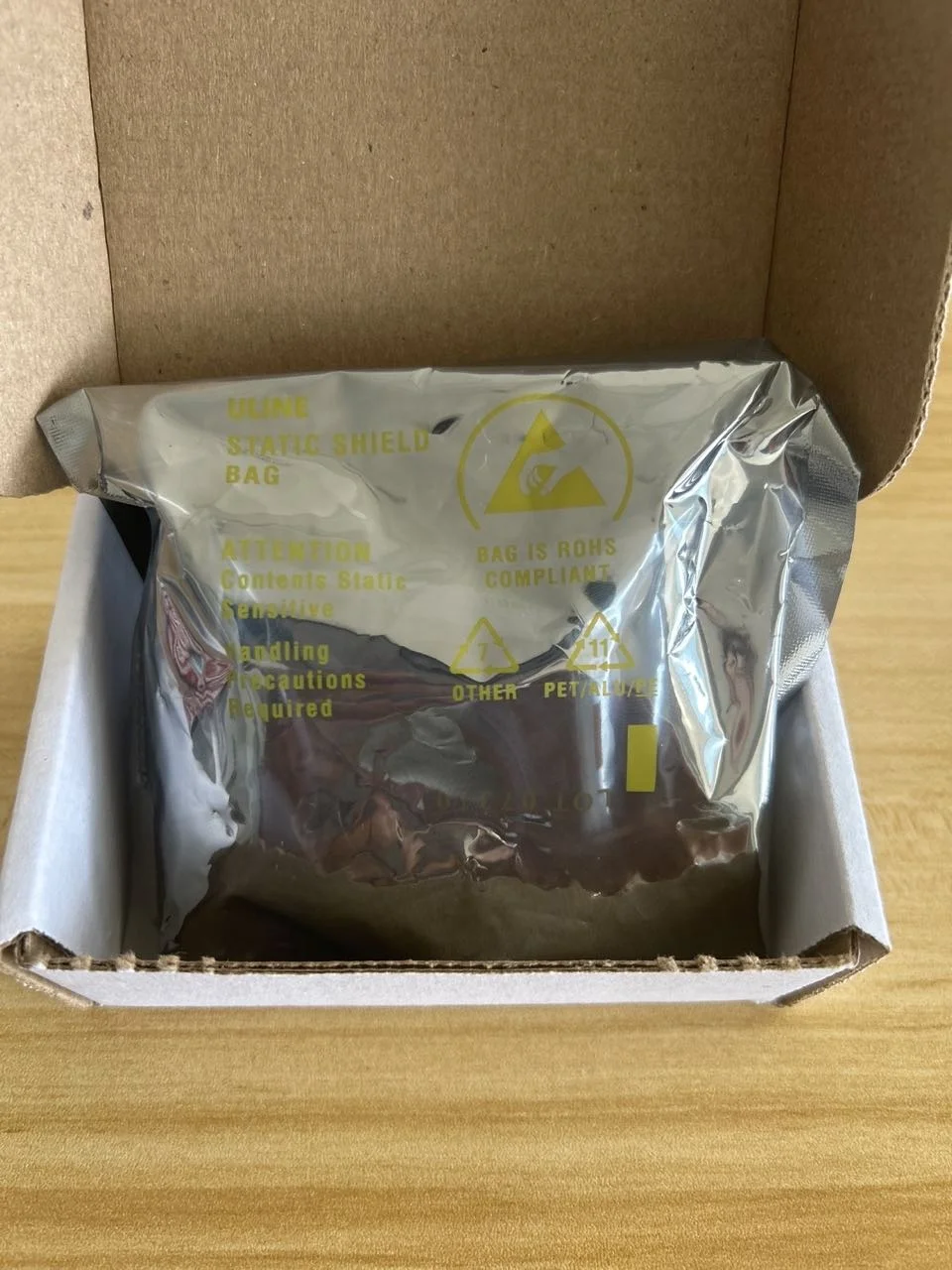
Oxygen sensors, like all tools in life, do wear out and need to be replaced. They do need occasional calibration to ensure that they’re giving accurate readings. To calibrate is to give the sensor a checkup so that you know it is working properly. If an oxygen sensor is not properly calibrated, it can deliver false readings that are hazardous. That’s why you should always adhere to what the manufacturer says in terms of maintaining and calibrating your oxygen sensor.
Oxygen sensors are not only used to track air quality. They are used in many different ways in many different industries. Oxygen sensors, for instance, are used in cars to check if an engine is getting the right amount of oxygen, allowing the car to run more efficiently. Aircraft In the aviation field, oxygen detectors are applied to measure the oxygen's level in aircraft to maintain safety for the high-altitude passengers. Oxygen sensors mitigate oxygen levels inside containers to maintain food freshness in the food and beverage industry.
With over 1,000 industry-specific scenarios served globally, we possess deep expertise in tailoring gas detection solutions for diverse fields, from petroleum and chemical engineering to environmental protection and clean energy.
Our product range spans seven major series—from sensors and fixed detectors to IoT monitoring platforms—offering both portable and stationary solutions suitable for industrial, commercial, and domestic applications.
We specialize in developing customized products and solutions to meet liberalized or innovative customer needs, enabling more flexible and efficient operations across various working environments.
We provide true one-stop gas detection services, covering everything from initial consultation and system design to on-site installation, ensuring a seamless and integrated safety solution for our clients.

 EN
EN