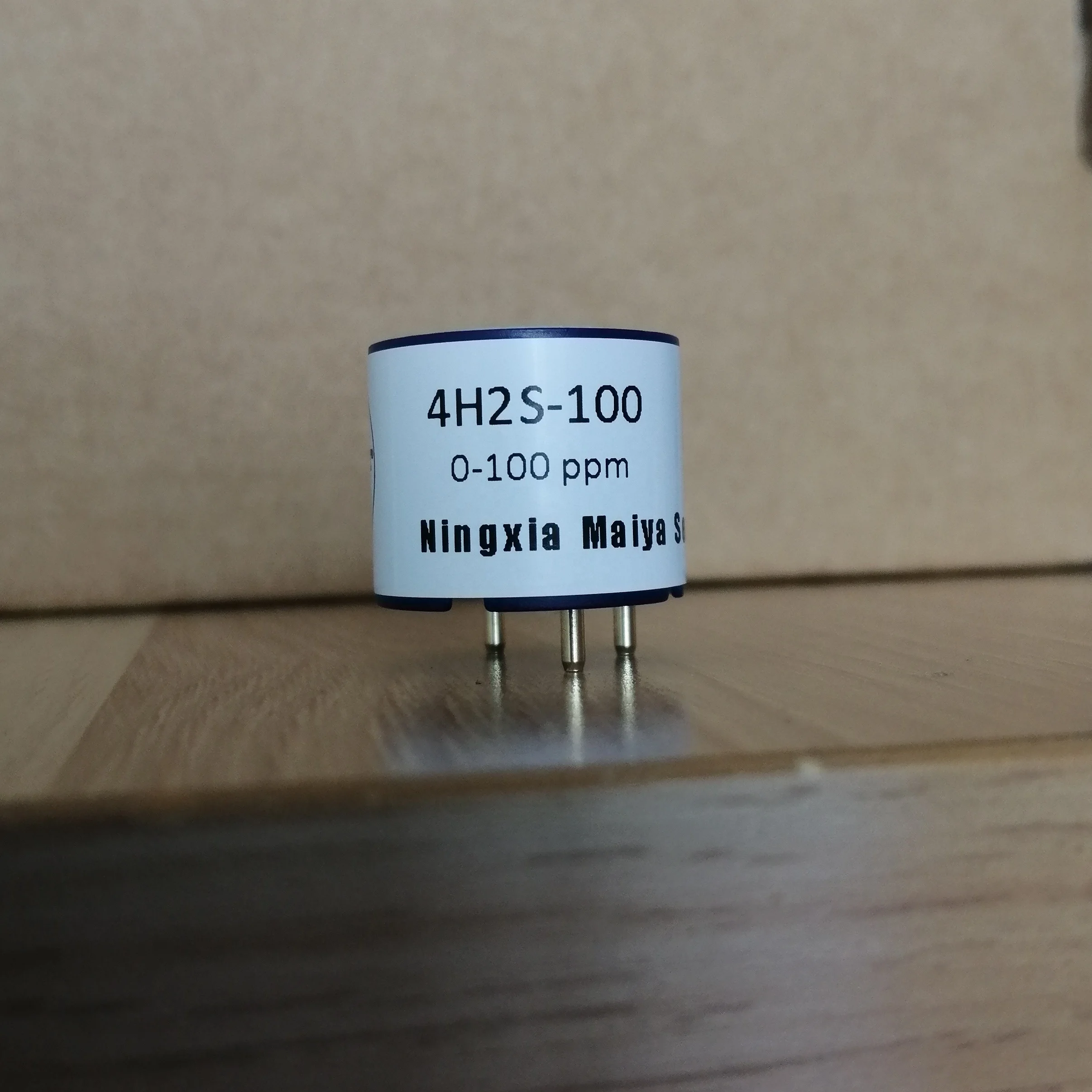
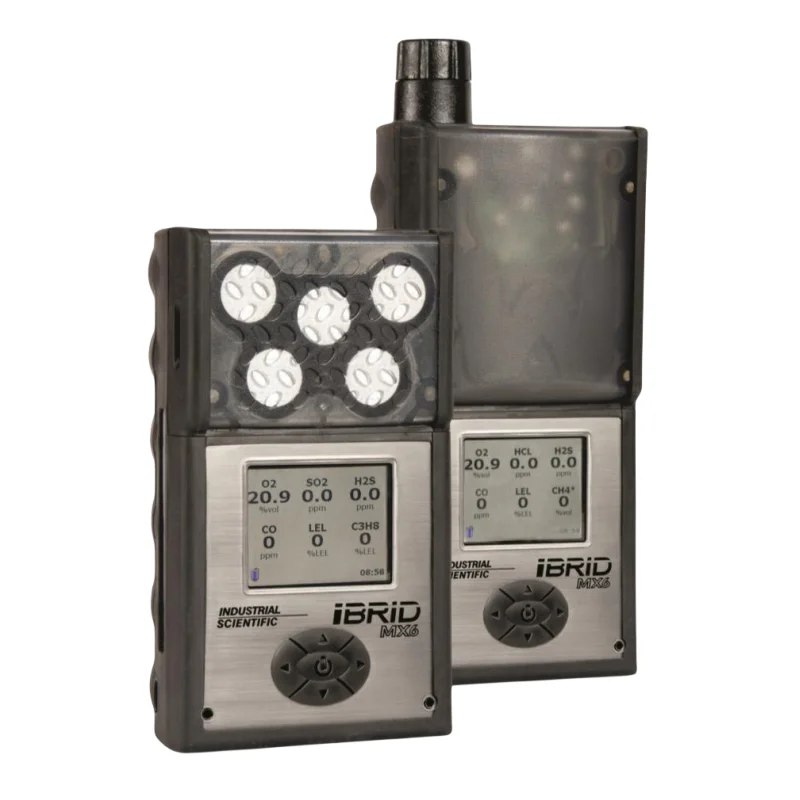
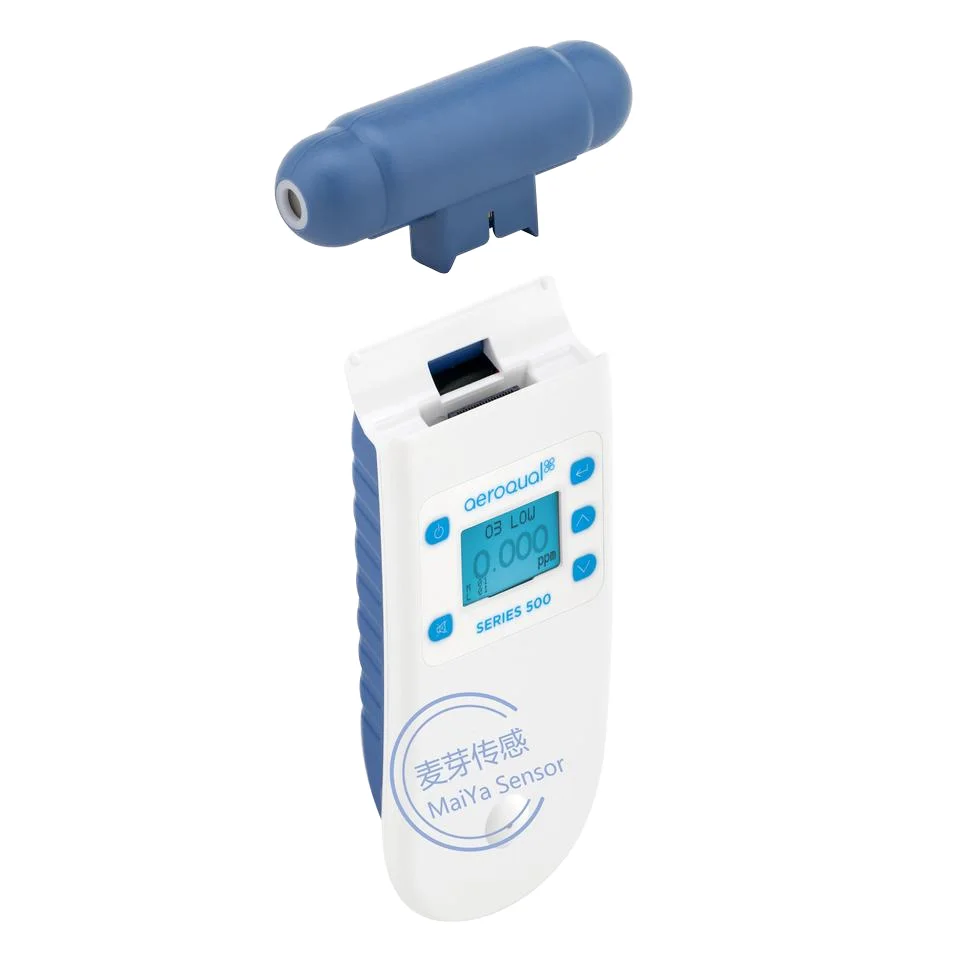
Inhaling too much of nitric oxide gas can cause many problems; nitric oxide gas sensors — important tools that help scientists and doctors monitor air quality and health — can be used to detect this gas and its levels. They can detect trace amounts of a gas known as nitric oxide. Too much of this gas can be harmful for us if we inhale it.
This data contributes to our knowledge of air pollution. They help control the air quality, ensuring that it is CLEAN, SAFE to breathe. Excess nitric oxide in the air can lead to breathing and heart problems. We can also reduce pollution and remain healthy at the same time by monitoring the amount of nitric oxide using these sensors.
These sensors also aid doctors and nurses to very quickly and accurately assess the nitric oxide levels in our body. This is significant because nitric oxide supports our blood vessels to function properly. Levels of nitric oxide can indicate when there are issues in our heart and lungs. Nitric oxide gas sensors allow doctors to identify problems such as asthma and heart disease at an earlier stage to provide better care for patients.
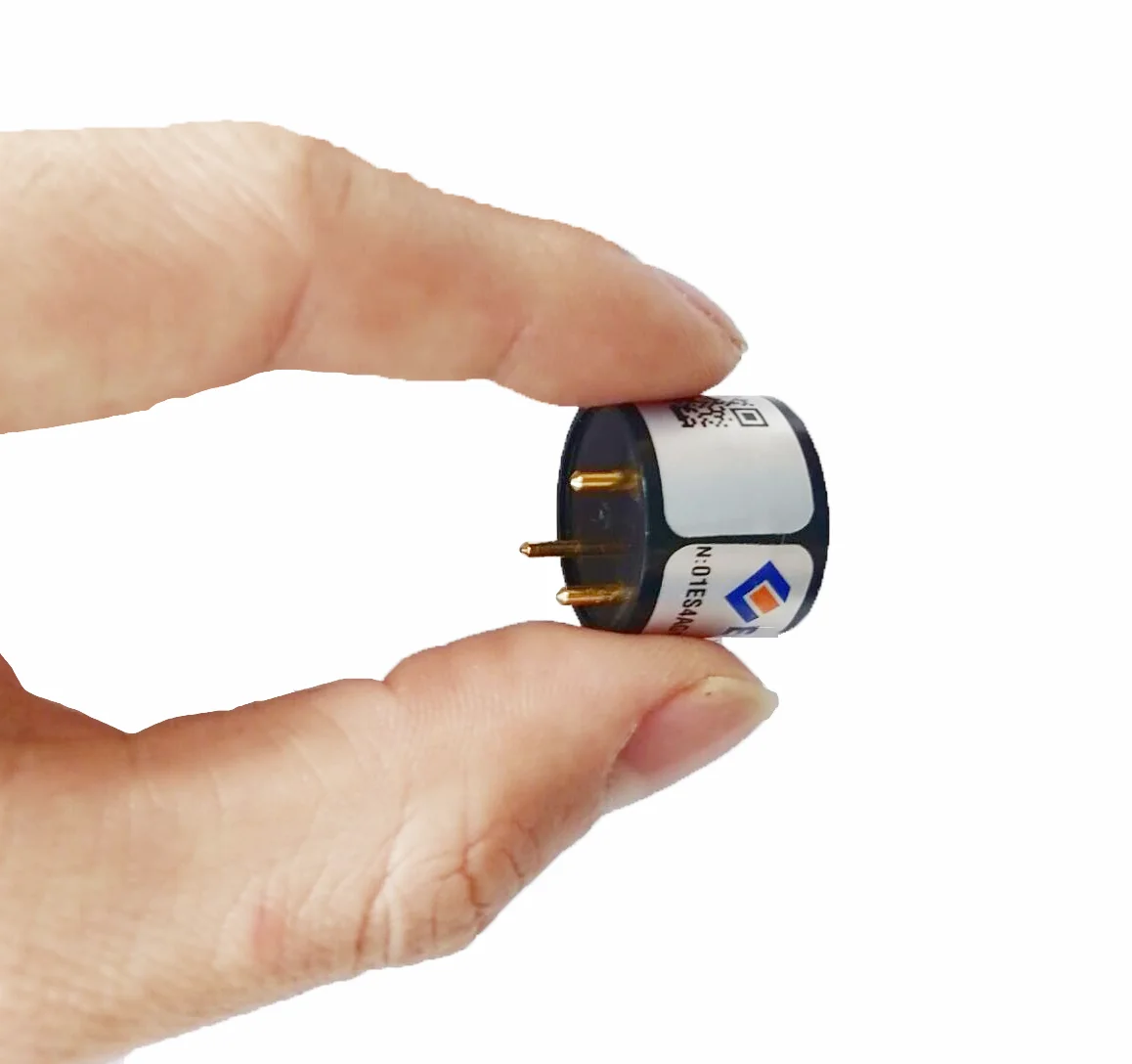
The technology used behind these sensors is astounding. There are some out there that use certain materials that react to nitric oxide gas and produce a measurable signal. This allows scientists to measure levels of this gas in the air and water. Pollution readings allow us to better understand the degree of environmental impact. These sensors help us understand how human activities affect our planet and end up maintaining it for future generations.
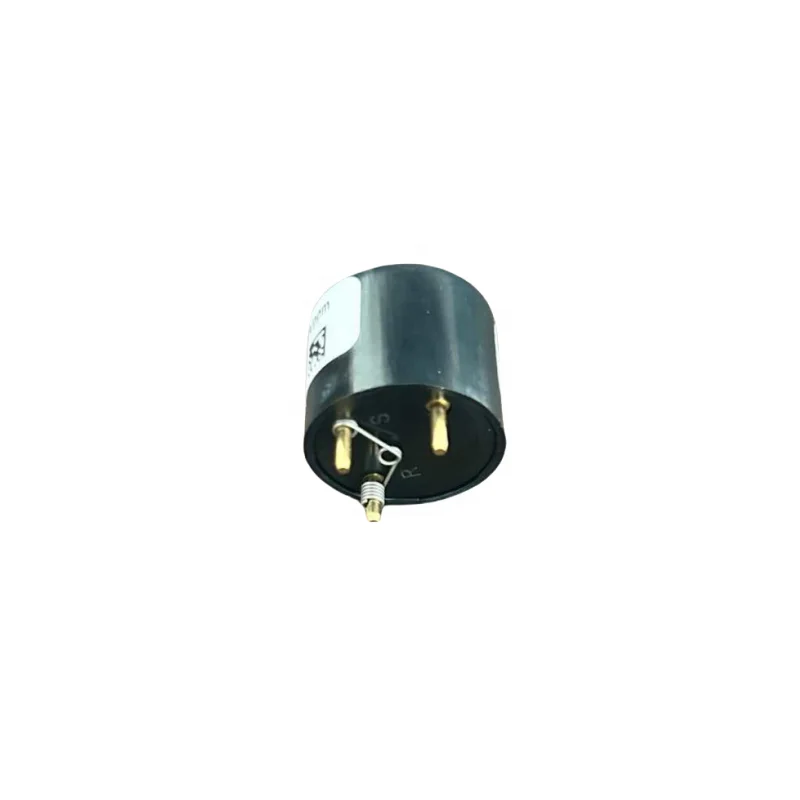
Factory and workplace settings in which nitric oxide gas may be generated also employ nitric oxide gas sensors. These sensors help companies ensure that their employees do not inhale toxic gases. This is about protecting workers’ health and helping companies comply with environmental regulations.
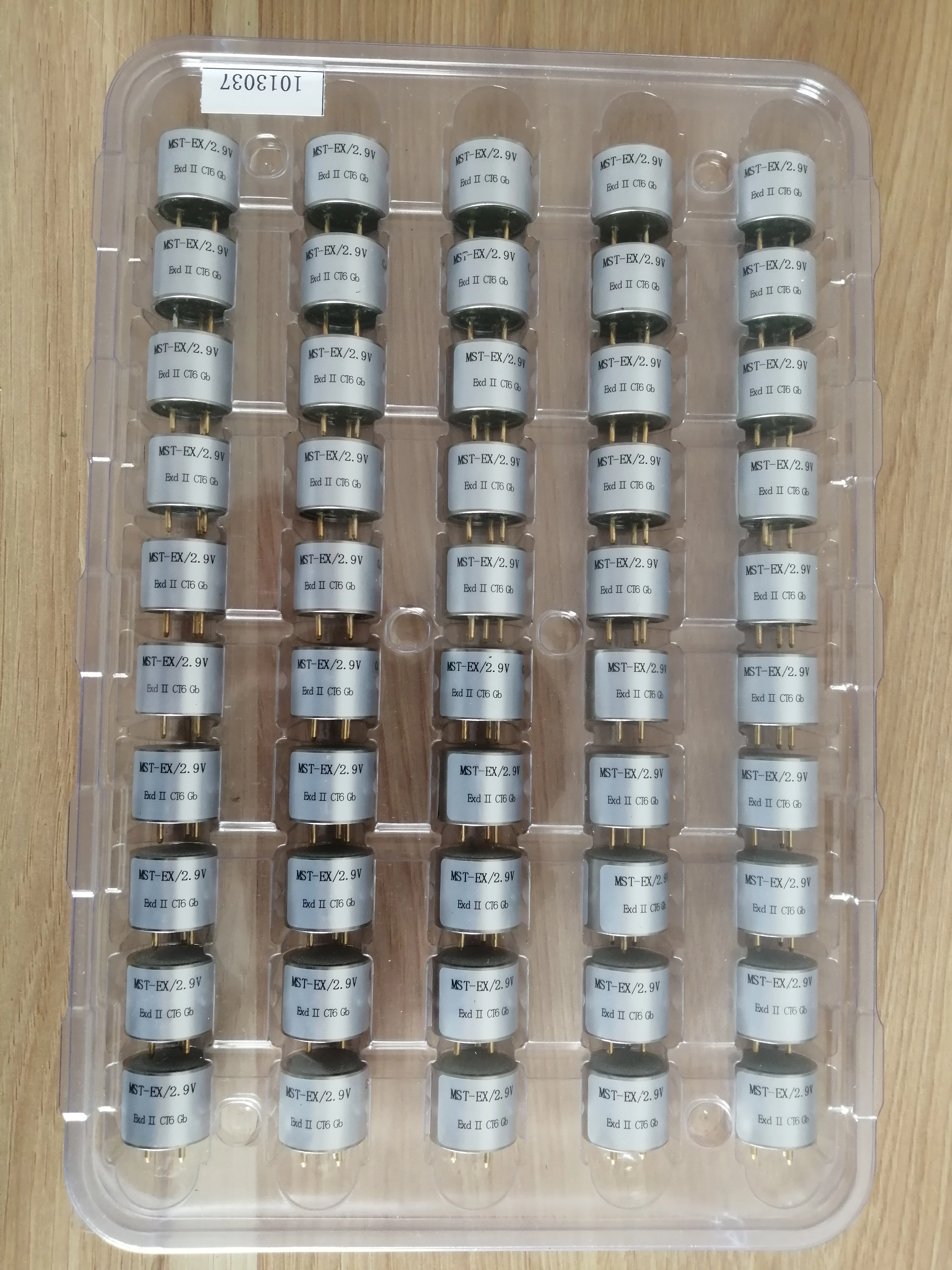
In the future, nitric oxide gas sensors will play a vital role in smart cities and IoT devices. This is one of the latest implementations of such sensors and as technology evolves, we will see these sensors applied in more and more ways to keep our cities clean and safe. They might, for instance, be embedded in smart buildings and transportation systems to test air quality and sound alarms when health hazards arise. Nitric Oxide Gas Sensors for Smart Cities.
Our product range spans seven major series—from sensors and fixed detectors to IoT monitoring platforms—offering both portable and stationary solutions suitable for industrial, commercial, and domestic applications.
We specialize in developing customized products and solutions to meet liberalized or innovative customer needs, enabling more flexible and efficient operations across various working environments.
With over 1,000 industry-specific scenarios served globally, we possess deep expertise in tailoring gas detection solutions for diverse fields, from petroleum and chemical engineering to environmental protection and clean energy.
We provide true one-stop gas detection services, covering everything from initial consultation and system design to on-site installation, ensuring a seamless and integrated safety solution for our clients.

 EN
EN