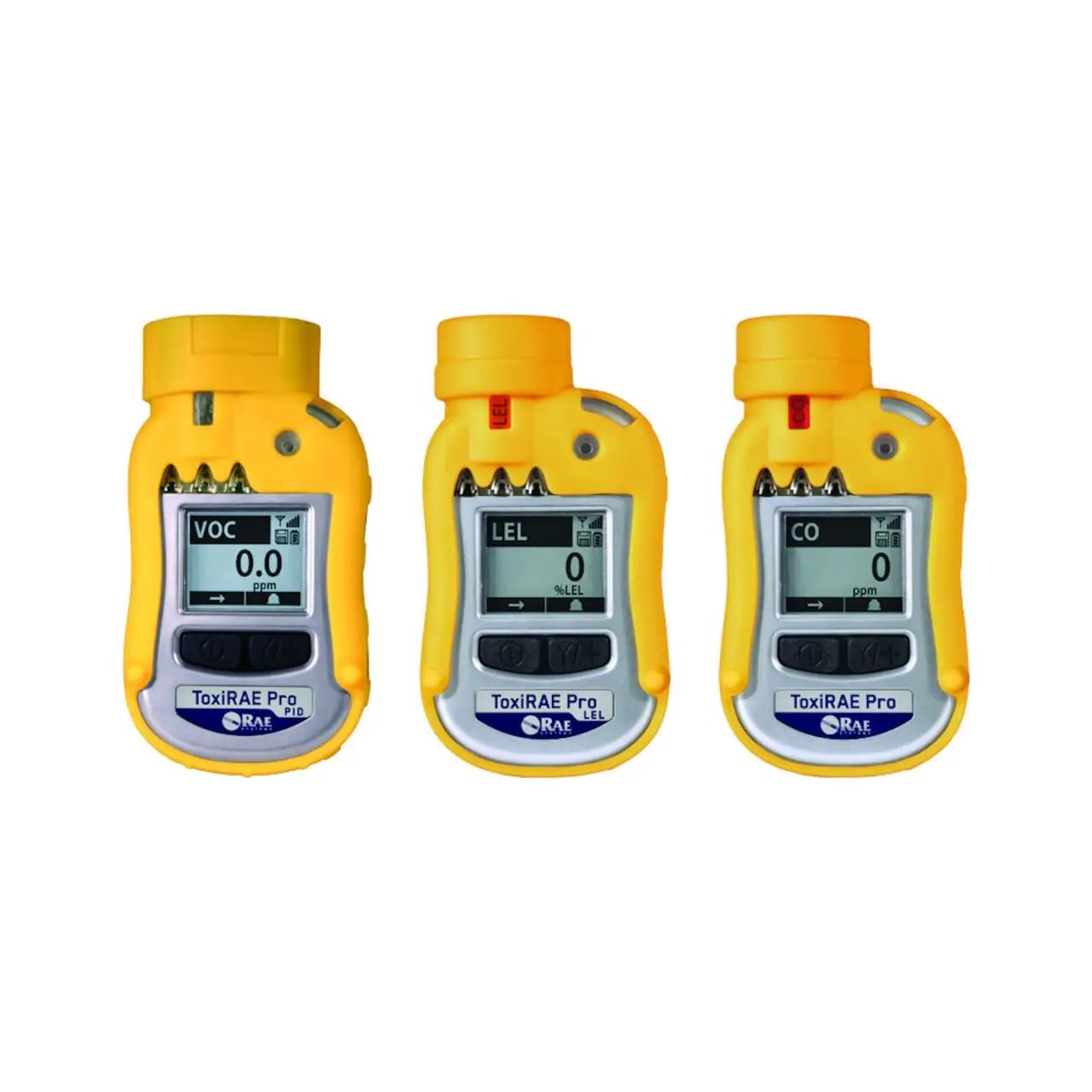
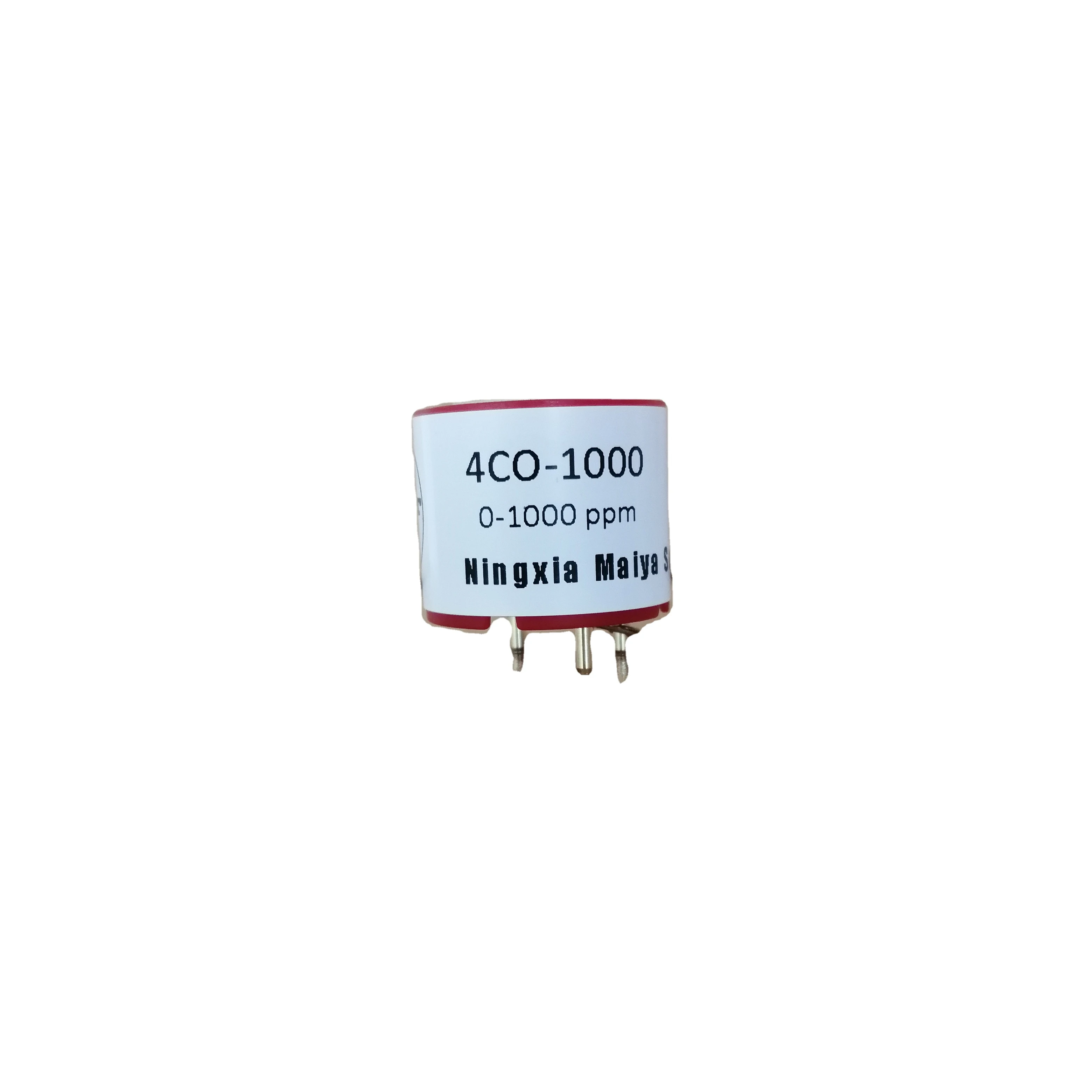
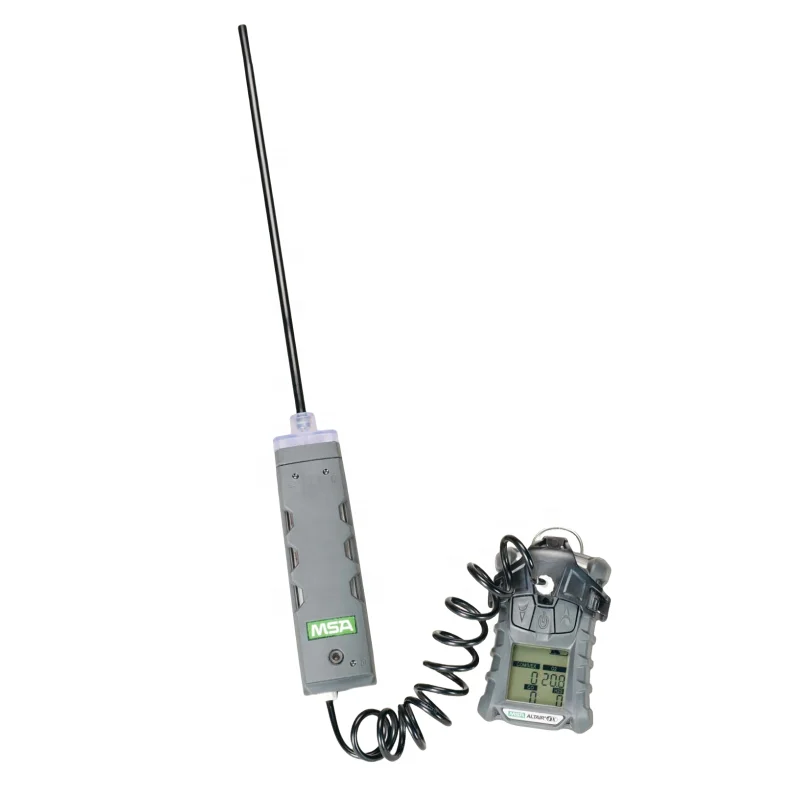
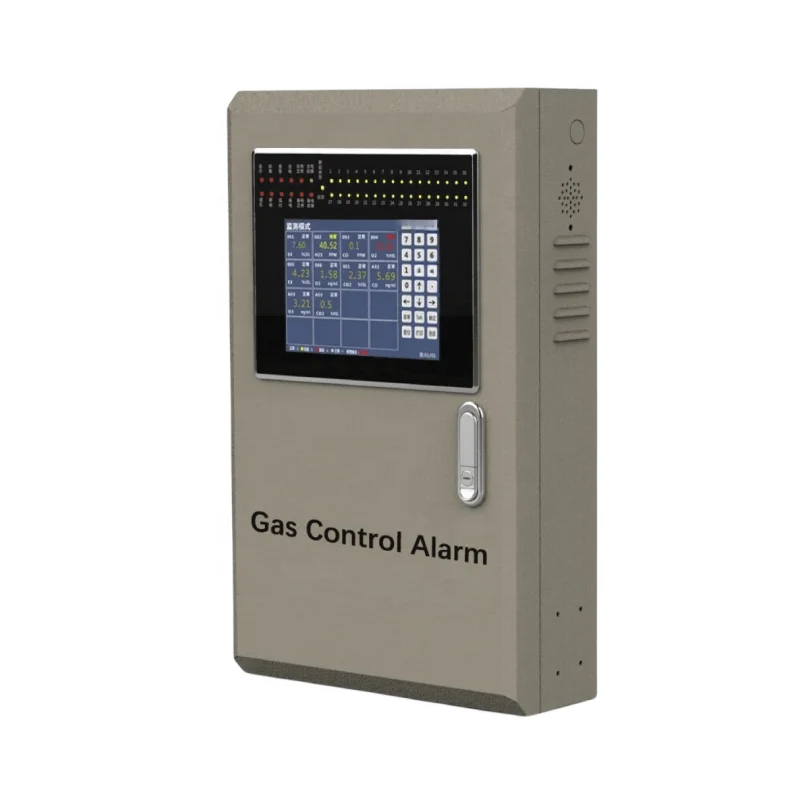
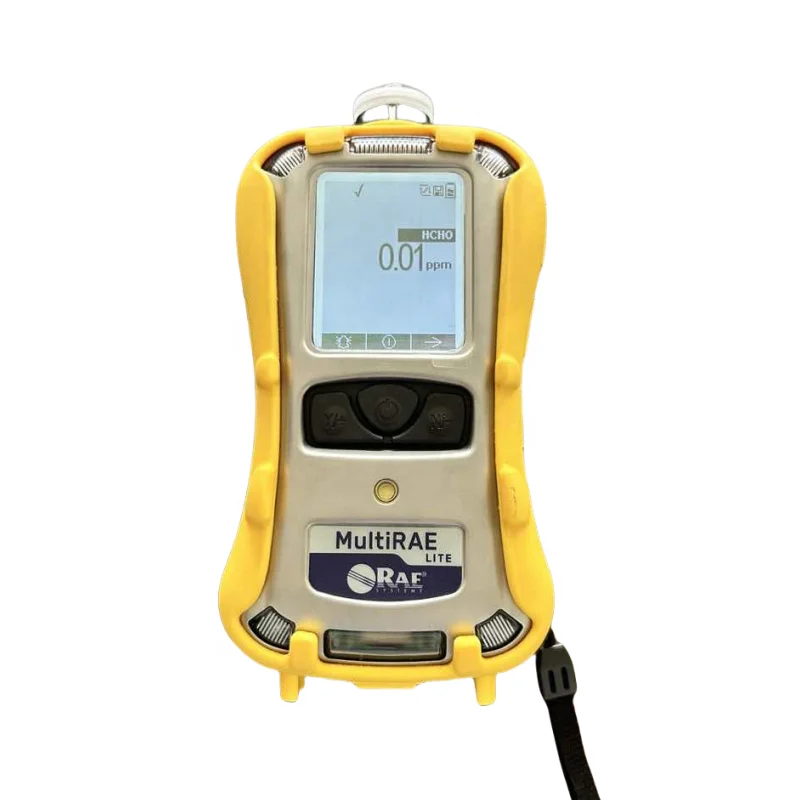
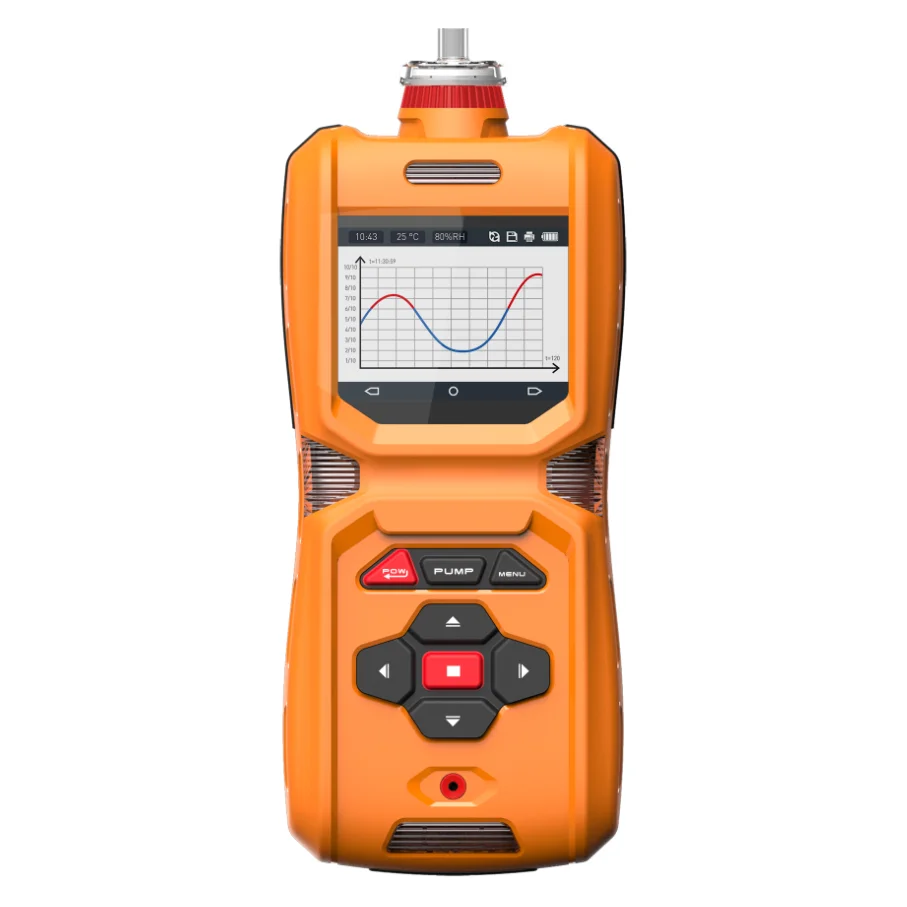
Formaldehyde gas detector may sound big, bulky and complicated when we hear these words, but they are the actually essential tools to keep you safe from harmful gas. Formaldehyde gas is a colorless, pungent gas. You can find it in many indoor environments, such as homes, schools and offices. A detector of formaldehyde gas is essential for the alerting in case of high concentration in air.
Formaldehyde gas can be released from common commodities, including furniture, carpets and certain cleaning products. Taking in large amounts of formaldehyde gas is harmful to our health. It can irritate our eyes, nose and throat, and prolonged exposure can lead to more serious health issues. That is why a carbon monoxide detector is so crucial. It may not be clinical or comprehensive, but it gives us a heads-up if there is a health risk so we can make a plan to protect ourselves.
Not at all; There are a couple of fundamental highlights to consider when choosing a formaldehyde gas detector. You need a detector so sensitive that it can detect even low levels of formaldehyde gas in the air. It also needs to be user-friendly, with clear instructions. Some detectors sound alarms or have displays that make it even easier to know whether there’s a problem.
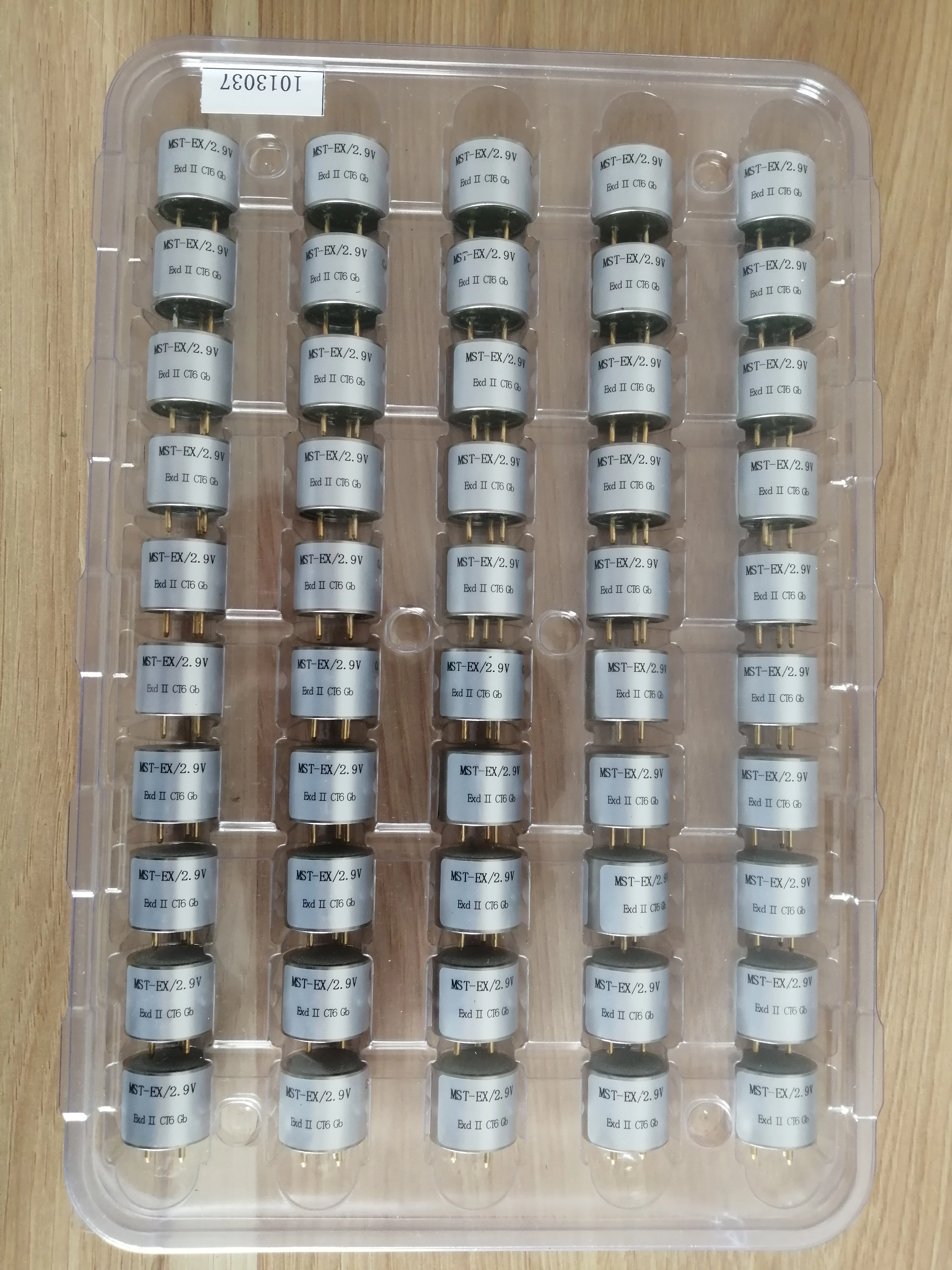
While using a carbon monoxide alarm is simple, you need to closely follow the instructions. First, ensure that the setup instructions were followed properly. Put it in places where formaldehyde gas could be, like next to furniture or carpet. Give the detector some time to run and take a good reading of the air quality. If it warns of high levels of formaldehyde gas, open windows and doors to let fresh air in, and identify the source of the gas to keep yourself safe.
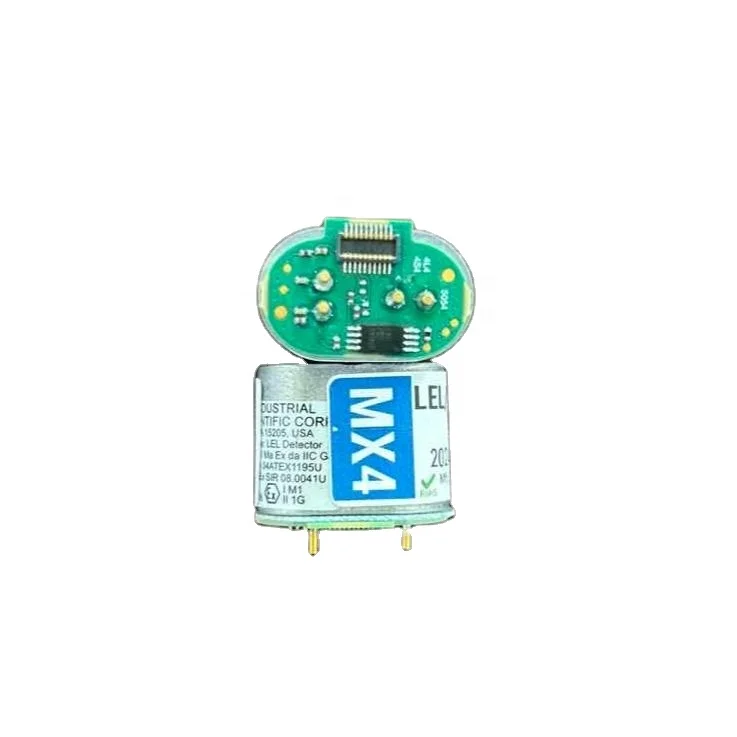
Some places very much require the detection of formaldehyde gas. It’s good to have a detector in homes in areas with new furniture or carpets, which can release formaldehyde gas. Detectors should also be in high-traffic areas in schools and offices, as this can disturb dust that could include formaldehyde. This means, any indoor space with poor ventilation or regularly used with cleaning products, also needs a formaldehyde gas detector to ensure air is safe for everyone inside it.
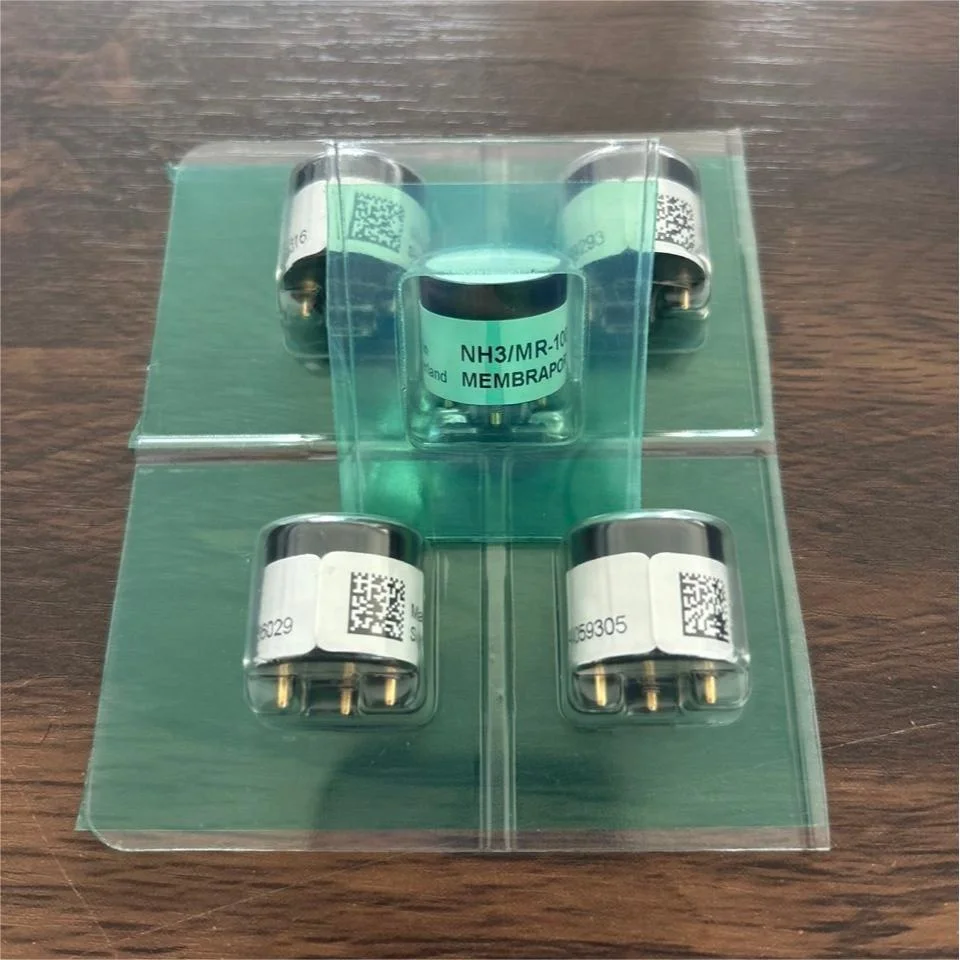
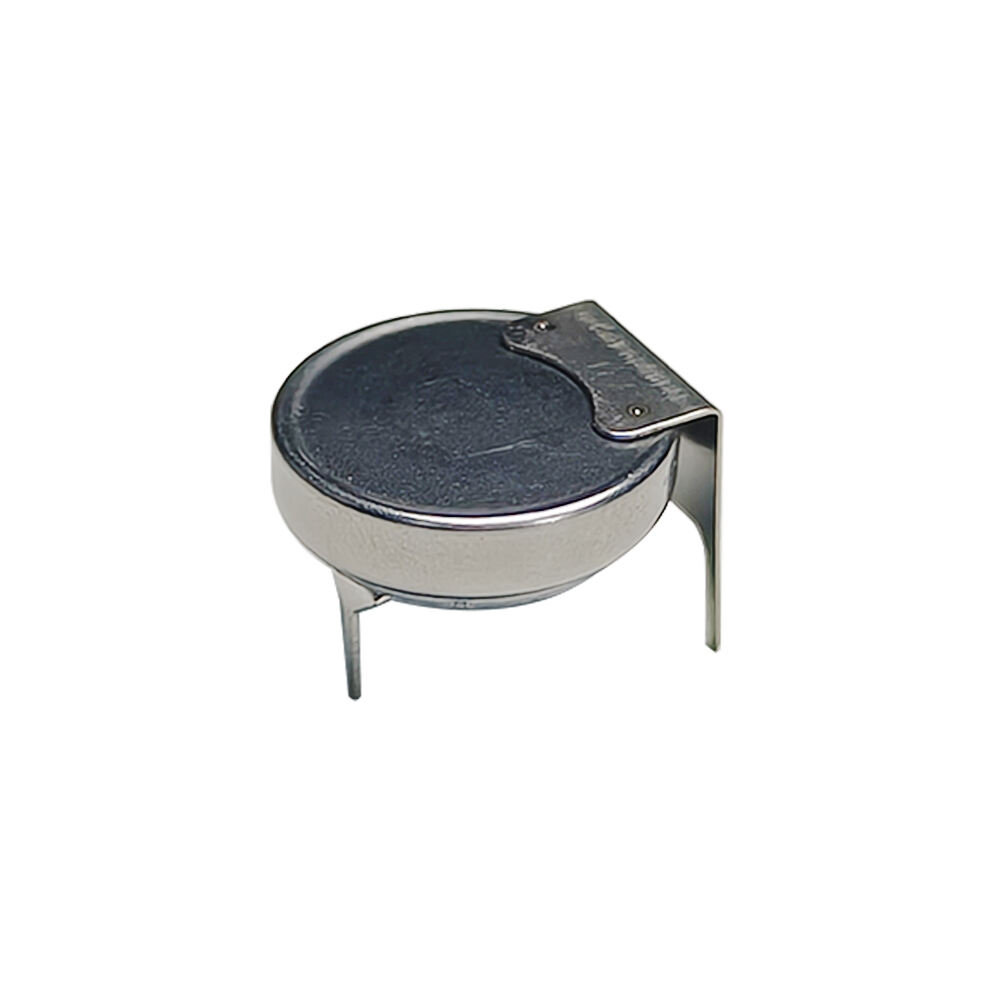
In order to ensure that everything is in order with your formaldehyde gas detector, you must carry out maintenance and testing as per the guidelines. This could involve changing batteries, cleaning it or otherwise adjusting it as needed. And it’s a good idea to test the detector occasionally to verify that it is still sampling the air for formaldehyde gas. Following these steps, you can be confident that your detector will protect you from harmful gases.
With over 1,000 industry-specific scenarios served globally, we possess deep expertise in tailoring gas detection solutions for diverse fields, from petroleum and chemical engineering to environmental protection and clean energy.
Our product range spans seven major series—from sensors and fixed detectors to IoT monitoring platforms—offering both portable and stationary solutions suitable for industrial, commercial, and domestic applications.
We provide true one-stop gas detection services, covering everything from initial consultation and system design to on-site installation, ensuring a seamless and integrated safety solution for our clients.
We specialize in developing customized products and solutions to meet liberalized or innovative customer needs, enabling more flexible and efficient operations across various working environments.

 EN
EN